


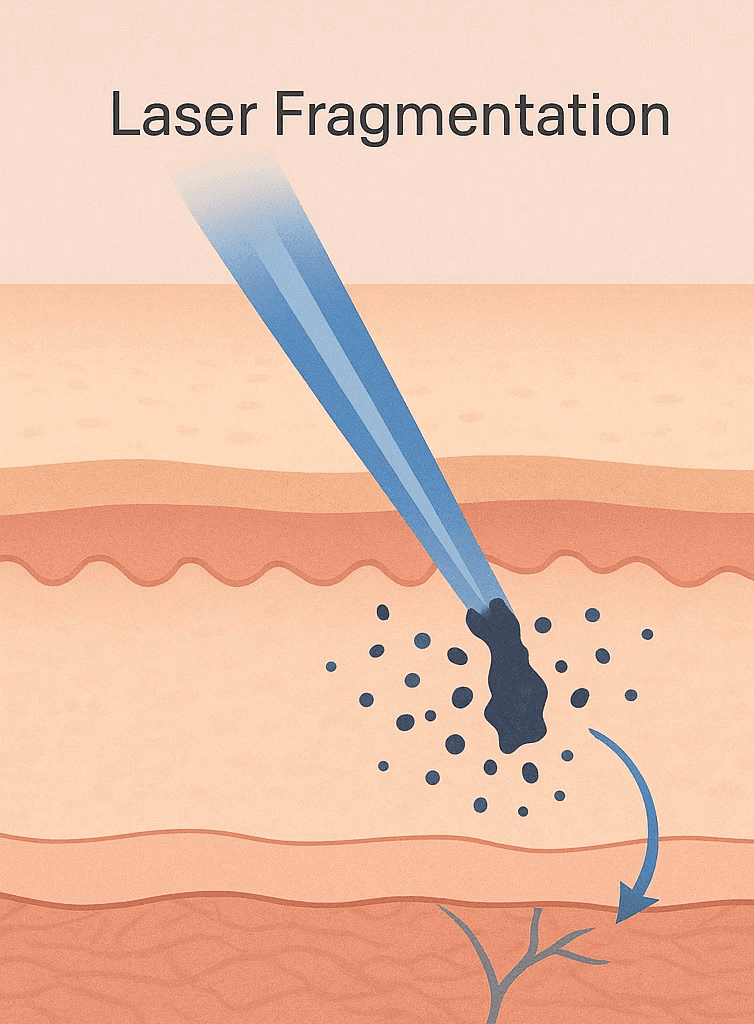
Laser tattoo removal uses high-intensity light pulses to shatter tattoo ink into microscopic fragments. These aren't the original ink particles anymore, they're nanoparticles small enough to slip into your bloodstream and lymphatic system.
Your body can't eliminate these fragments the way it handles normal toxins. Instead, fragmented ink particles travel through your lymphatic system to regional lymph nodes, where studies show 60-90% of pigment ultimately accumulates. According to Cambiaso-Daniel et al., Frontiers in Medicine (PMC10997244, 2024).
Your lymph nodes aren't designed to be ink repositories. Yet that's exactly what happens with laser removal.
The fragmented ink migrates through your lymphatic channels and settles in lymph nodes throughout your body, sometimes reaching nodes 5-30 centimeters away from the original tattoo site. Some particles even reach liver tissue, demonstrating systemic distribution far beyond the skin. According to Sepehri et al., Scientific Reports (2017).
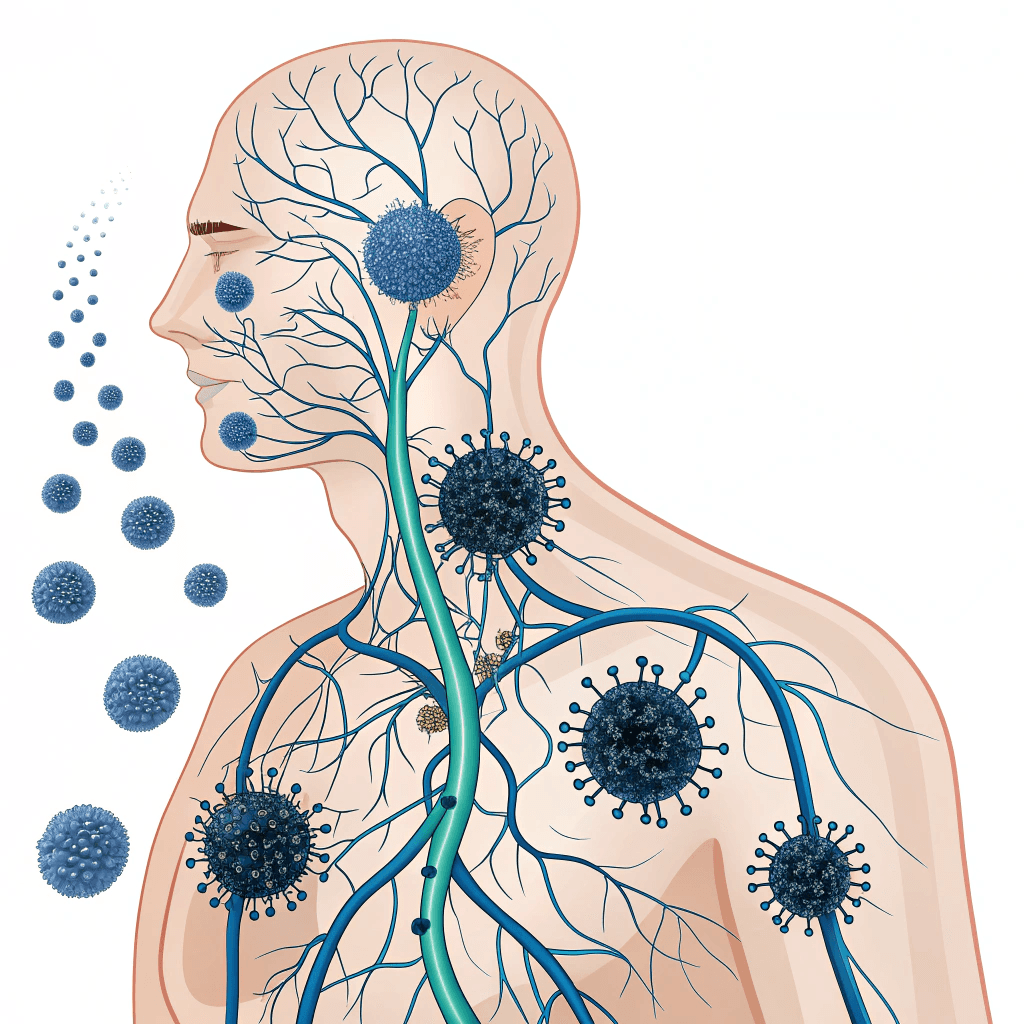
This isn't temporary. Research shows these ink deposits can remain in lymph nodes indefinitely, with documented evidence years after laser treatment.
Laser removal doesn't just fragment ink, it creates thermal damage to your skin. The heat necessary to shatter ink particles also affects surrounding tissue, leading to:

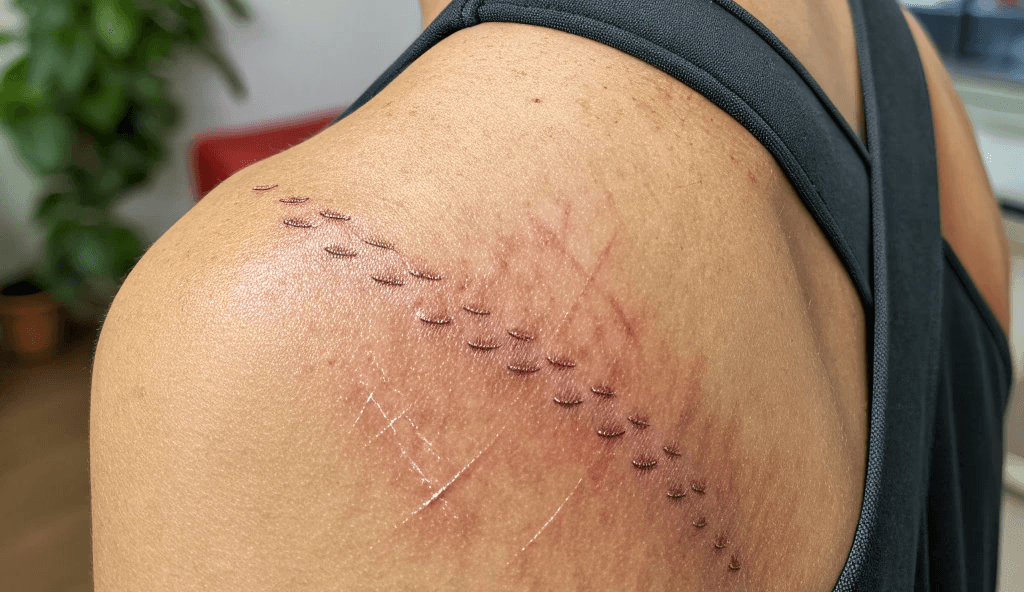
For people with darker skin (Fitzpatrick types IV-VI), these risks increase significantly. Many dermatologists won't even perform laser removal on darker skin tones due to hypopigmentation concerns.
Laser removal relies on wavelength-specific targeting. Different colors absorb different light wavelengths, and some colors simply don't respond to available laser wavelengths effectively.
Yellow ink shows only 5-11% clearance compared to purple ink's 85% clearance with the same laser, according to Bernstein et al., Lasers in Surgery and Medicine (2018).

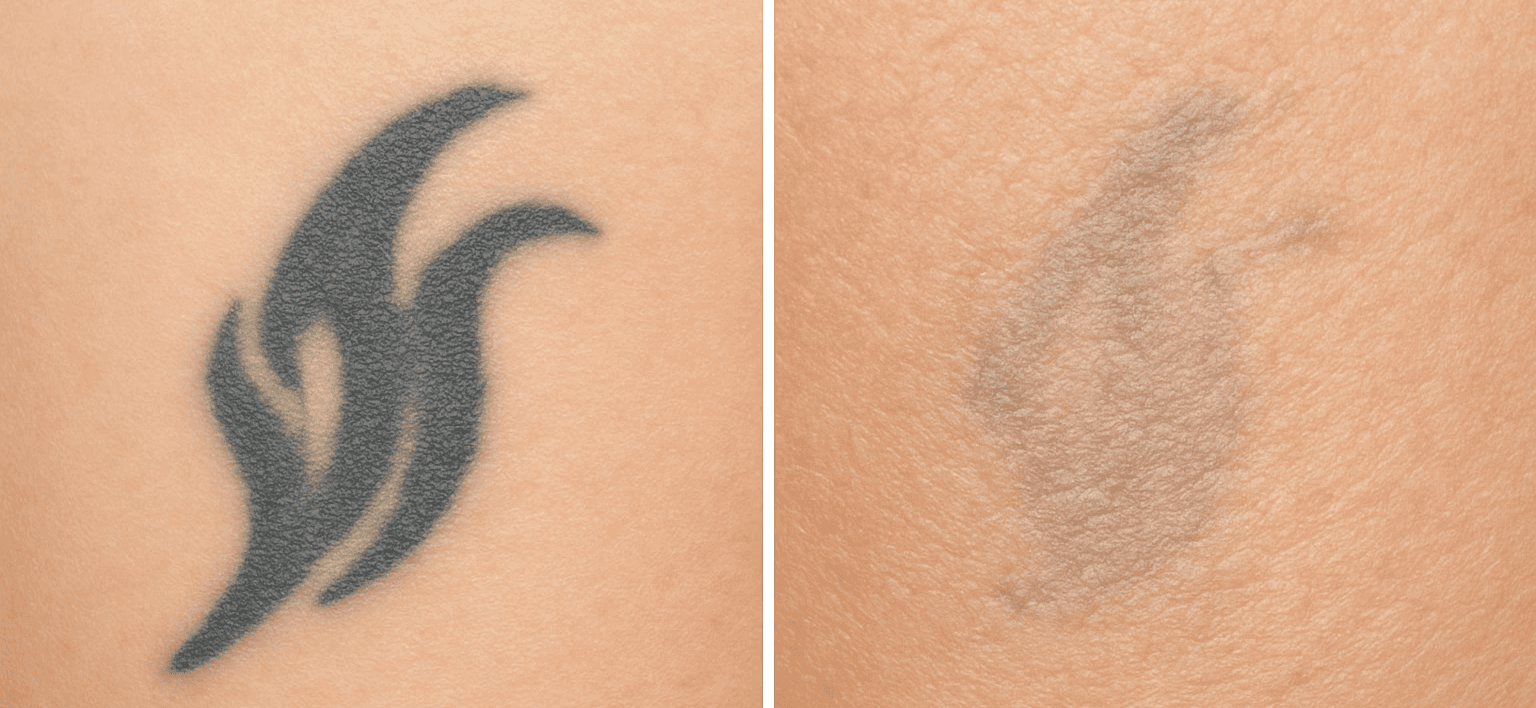
"Ghost images" - faint remnants of the original tattoo, frequently persist even after extensive laser treatment. According to Dongre and Khopkar, Journal of Cutaneous and Aesthetic Surgery (PMC4411590, 2015).
What if your body could expel ink instead of absorbing it?
That's exactly what TEPRderm™ technology does. Our method pulls ink up and out through your skin's natural healing process, you literally see the ink in the crusting layer that sloughs off.
No fragmentation. No lymphatic absorption. Just natural expulsion.
TEPR™ expels ink through natural healing, no fragmentation, no absorption into the lymphatic system.
Unlike laser removal that fragments ink into your lymphatic system, inkOUT™ removes tattoo ink from your body completely.

How inkOUT is Different:
Healthy ink extraction: Ink comes out through a crusting layer that sloughs off, not into your body
All colors removed equally: TEPR™ doesn't rely on wavelength targeting
Natural skin healing: Creates fresh, healthy skin perfect for cover-ups
Fewer sessions: 3-5 sessions for most tattoos vs. 12+ for laser
Works on all skin types: No hypopigmentation risk
TEPR™ does not use heat to remove the ink, avoiding thermal damage. We don't use heat unlike laser-based methods that use thermolysis to fragment the ink.
The tattoo removal industry has significant financial interests in maintaining laser as the "gold standard." But the science tells a different story.
TEPRderm™ technology offers:
FDA-registered equipment and solutions
Natural TEPR™ solution
Natural process that works with your body
Documented results across all ink colors
A healthy, natural, effective tattoo removal approach
Making an Informed Choice
You deserve complete transparency about what happens to your body during tattoo removal. The research on lymphatic system involvement and incomplete laser results aren't hidden in obscure journals…it's published in mainstream medical literature.
Your health matters more than industry convenience.
If you're considering tattoo removal, ask these questions:
Where does the fragmented ink go after laser treatment?
Why do some colors never fully respond to laser?
What happens to laser-damaged skin if I want a cover-up later?
Or choose a method that answers these questions upfront: inkOUT™
Ready to explore the natural alternative to laser removal?