

How Much Does a Tattoo Cost? A Clear Tattoo Pricing Guide
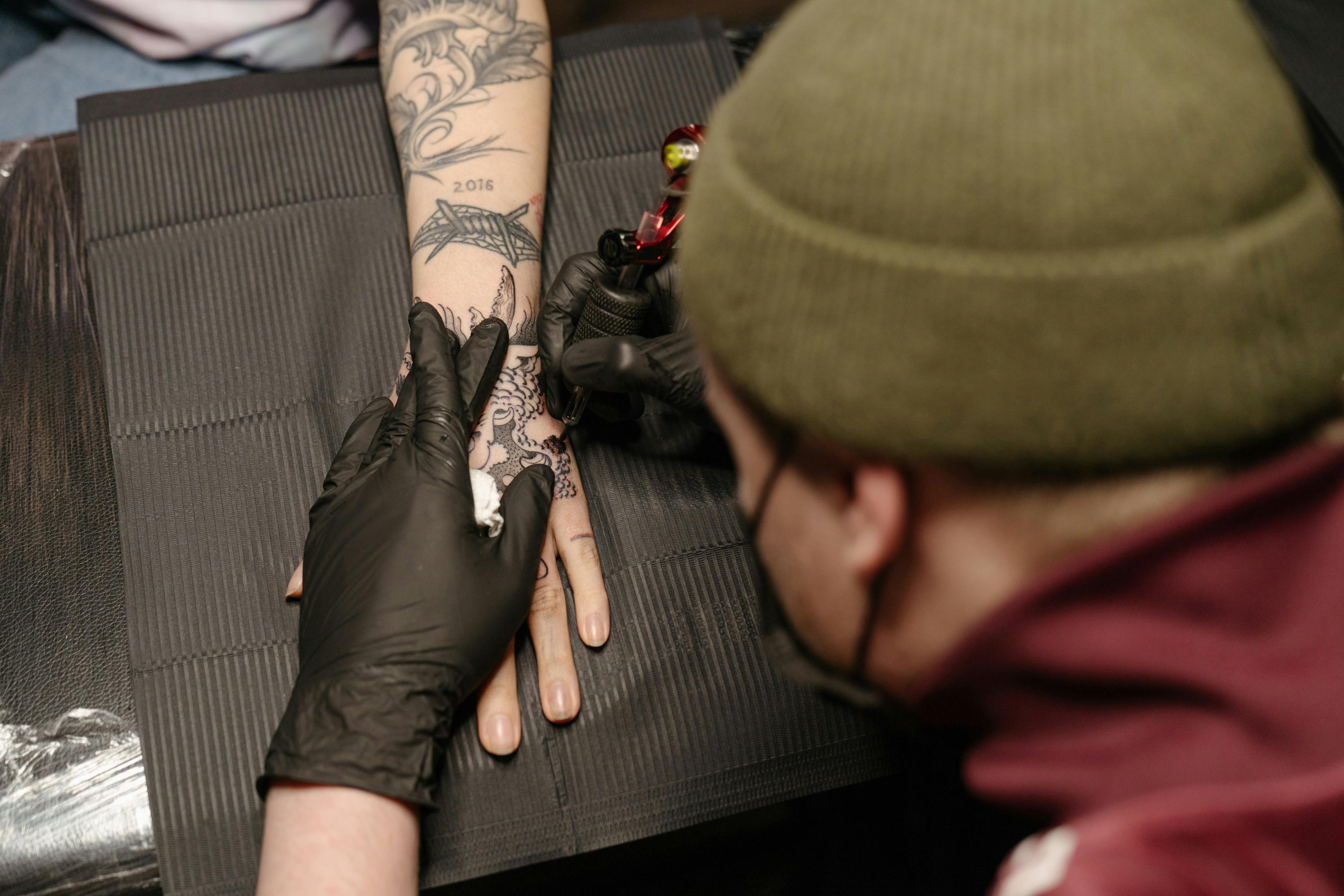
Tattoo pricing can vary dramatically, and if you’ve ever tried to figure out what a tattoo “should” cost, you already know how confusing the answers can be. Artists charge differently, styles take different amounts of time, and placement can make a big difference. Whether you’re planning your first tattoo, budgeting for a large piece, or thinking ahead about future revisions or removal, having a clear understanding of tattoo cost helps you avoid surprises.
This guide breaks down average tattoo prices by size, placement, style, and artist experience. It also covers how tattoo shops structure their pricing and when selective removal- especially with a non-laser method like inkOUT® -can reduce the cost of a future cover-up.
What Affects Tattoo Cost
Tattoo cost is rarely about one factor alone. Instead, it’s a combination of time, difficulty, expertise, and customization. Understanding these variables will help you gauge where your design might fall on the pricing spectrum.
Size and Coverage
Size determines the canvas, but detail determines the time. A small, but highly detailed tattoo (such as micro-realism) may cost more than a simpler medium-sized piece. Fine shading, intricate linework, and layered color all increase the time required, which increases price.
Placement
Some areas of the body are simply more challenging to tattoo. Ribs, feet, hands, the neck, and stomach areas may stretch more easily or be more sensitive, which can slow down the process. Slower work equals more hours, and more hours equals higher cost. Areas with curves or uneven surfaces also require more precision from the artist.
Artist Experience
Just like any skilled profession, experience matters. Established artists with strong portfolios often charge higher rates due to their consistency, technique, and demand. Newer artists or apprentices may charge less while they build experience, but the tradeoff can be skill level and speed.
Shop Location
Tattoo prices often reflect local cost of living. Studios in major cities - especially high-traffic neighborhoods - generally charge more than studios in smaller towns. Rent, utilities, and demand can all influence what artists charge their clients.
Style
Different tattoo styles require different skill sets. Realism, watercolor, portrait work, and geometric patterns often cost more due to the expertise and precision involved. Minimal or traditional styles may be more affordable because they involve simpler compositions or fewer shading layers.
Color vs. Black and Gray
Color tattoos typically cost more than black-and-gray because they require more layering, blending, and time to apply. Even within color tattoos, vibrancy and shading complexity can influence the final price.
How Tattoo Artists Price Their Work
Tattoo pricing can also vary widely depending on the shop’s standard pricing practices. Here are the structures you’re most likely to encounter.
Hourly Rates - $100-$250 per hour
Hourly pricing is common for large, highly customized designs. This structure allows artists to charge based on the real time invested. The rate can again depend on their skill, reputation, and location of their studio.
Flat Rates - $50-$500
Flat rates are often used for flash tattoos or smaller designs that don’t require custom planning. It gives clients a predictable price and keeps the project simple.
Minimum Charge - $50-$100
Tattoo shops often have a minimum charge to cover the cost of setup, sterilization, and materials, regardless of how small the tattoo is. This ensures the shop maintains safe and consistent standards.
Tattoo Costs by Size
Size is the most straightforward factor affecting tattoo pricing. Although each artist sets their own rates, these ranges represent common pricing across most U.S. shops.
Small Tattoos - $50-$200
Small tattoos include simple linework, initials, small symbols, or minimal designs. They typically take under an hour, though the minimum charge at most shops still applies. Even tiny tattoos require setup, sterilization, and materials, which is why the price rarely goes below $50.
Medium Tattoos - $200-$800
Medium-sized tattoos cover a more noticeable area such as the forearm, upper arm, calf, or shoulder. Floral pieces, moderate linework designs, and small half-sleeves fall into this category. Prices depend heavily on detail, color, and shading. These pieces usually require several hours to complete and may be done in one sitting or multiple sessions.
Large Tattoos - $1,000–$5,000+
Large tattoos like full back pieces, full sleeves, or oversized color designs require extensive planning, hours of chair time, and multiple visits. Artists often quote these pieces as multi-session projects. Because of the commitment and detail involved, large tattoos fall toward the top of the pricing spectrum.
Tattoo Prices by Style
Different tattoo styles can also come with different time requirements and complexity levels. Here are common pricing ranges:
Fine Line: $100-$300
Simple, delicate lines with minimal shading.
Traditional: $150-$500
Bold outlines and limited color palettes that are quicker to execute.
Watercolor: $200-$800
Requires precise technique to blend and layer colors.
Realism: $300-$1,500+
Highly detailed and time-intensive; requires advanced skill.
Tribal / Geometric: $200-$1,000
Patterns, symmetry, and fill work influence the cost.
Tattoo Cost by Placement
Some areas take longer to tattoo or require more precision, which can affect a tattoo’s price.
Full Sleeve - $1,500-$6,000+
One of the most time-intensive tattoo placements, often requiring multiple sessions over several months.
Half Sleeve - $500-$1,500
Covers either the upper arm or forearm with a detailed, cohesive design.
Chest - $500-$2,000
Ranges from small pieces to large designs spanning the entire chest.
Back - $1,500-$5,000+
Large area, often requiring multiple sessions and advanced planning.
Cover-Up Tattoo Costs: When Removal Saves Money
Cover-ups can cost as much as (or more than) new tattoos. That’s because cover-ups require the artist to design around existing ink, hide dark lines, and work within color and pattern limitations.
Cover-ups can cost more because:
The new tattoo must be larger than the original
Dense shading and strategic color placement are required to hide old ink
Dark pigments underneath limit color choices
Artists often spend extra time on design planning
Because of these challenges, many people choose partial tattoo removal first. Clearing or shrinking the original tattoo gives the artist more flexibility and reduces the amount of shading needed, which can reduce the overall cost of the new piece.
Tattoo Removal vs. Cover-Up Costs (inkOUT™)
Removal can sometimes be more cost-effective than forcing a cover-up to work on top of dark or dense ink. Here’s how two common removal paths differ:
Laser Tattoo Removal
Often requires 10–15+ sessions for full removal
Typically requires 3–5 sessions for cover-up prep
Fragments tattoo ink into microparticles that the body absorbs into the lymphatic system (Kumar et al. (PMC4411594, 2015))
Long timelines may increase the overall cost
Not ideal for all ink colors or skin tones (laser cannot remove every ink color, such as white, yellow, purples, etc.)
inkOUT® Non-Laser Removal
Typically 3–5 sessions for full tattoo removal
Typically 1-–2 sessions required for cover-up prep
Works with the skin’s natural healing response to lift ink out of the body, avoiding prioritizing the lymphatic system
Removes all ink colors
Can make future cover-ups smaller, lighter, or more flexible
Reduces the amount of heavy shading needed in a cover-up tattoo
For those planning a redesign, this approach can reduce both the complexity and total cost of the final tattoo.
If you want to learn more, explore these topics related to tattoo removal and cover up options:
How to Budget for a Tattoo
Budgeting helps you plan realistically for the tattoo you want. Here are practical steps:
Research artists’ portfolios and compare their styles
Book consultations to discuss your idea and get price estimates
Save for the artist you trust or want the most
Watch for flash-day or seasonal promotions, such as Friday the 13th tattoos
Avoid bargain shopping that compromises safety and/or quality
High-quality tattoos are an investment, and choosing the right artist matters just as much as choosing the right design.
Additional Costs to Consider
Tattoo pricing doesn’t stop with the design itself. Consider the following additional expenses:
Aftercare products: $10-$30
Touch-ups: varies depending on the artist and design
Tips: standard 15-20%
Future revision or removal: helpful to keep in mind for long-term planning
Conclusion
Tattoo costs vary depending on size, detail, artist experience, and placement. By understanding the factors that influence pricing - and by budgeting with these variables in mind - you can make confident decisions about your next piece.
For anyone planning a cover-up or redesign, partial removal can sometimes reduce the overall cost and create a better canvas for your next tattoo. Whether you’re getting your first tattoo or planning your next one, clarity around pricing helps you choose a design you’ll appreciate long-term.
If you want to learn more about inkOUT™’s non-laser tattoo removal pricing, book your free consultation at the link below:
Tattoo pricing can vary dramatically, and if you’ve ever tried to figure out what a tattoo “should” cost, you already know how confusing the answers can be. Artists charge differently, styles take different amounts of time, and placement can make a big difference. Whether you’re planning your first tattoo, budgeting for a large piece, or thinking ahead about future revisions or removal, having a clear understanding of tattoo cost helps you avoid surprises.
This guide breaks down average tattoo prices by size, placement, style, and artist experience. It also covers how tattoo shops structure their pricing and when selective removal- especially with a non-laser method like inkOUT® -can reduce the cost of a future cover-up.
What Affects Tattoo Cost
Tattoo cost is rarely about one factor alone. Instead, it’s a combination of time, difficulty, expertise, and customization. Understanding these variables will help you gauge where your design might fall on the pricing spectrum.
Size and Coverage
Size determines the canvas, but detail determines the time. A small, but highly detailed tattoo (such as micro-realism) may cost more than a simpler medium-sized piece. Fine shading, intricate linework, and layered color all increase the time required, which increases price.
Placement
Some areas of the body are simply more challenging to tattoo. Ribs, feet, hands, the neck, and stomach areas may stretch more easily or be more sensitive, which can slow down the process. Slower work equals more hours, and more hours equals higher cost. Areas with curves or uneven surfaces also require more precision from the artist.
Artist Experience
Just like any skilled profession, experience matters. Established artists with strong portfolios often charge higher rates due to their consistency, technique, and demand. Newer artists or apprentices may charge less while they build experience, but the tradeoff can be skill level and speed.
Shop Location
Tattoo prices often reflect local cost of living. Studios in major cities - especially high-traffic neighborhoods - generally charge more than studios in smaller towns. Rent, utilities, and demand can all influence what artists charge their clients.
Style
Different tattoo styles require different skill sets. Realism, watercolor, portrait work, and geometric patterns often cost more due to the expertise and precision involved. Minimal or traditional styles may be more affordable because they involve simpler compositions or fewer shading layers.
Color vs. Black and Gray
Color tattoos typically cost more than black-and-gray because they require more layering, blending, and time to apply. Even within color tattoos, vibrancy and shading complexity can influence the final price.
How Tattoo Artists Price Their Work
Tattoo pricing can also vary widely depending on the shop’s standard pricing practices. Here are the structures you’re most likely to encounter.
Hourly Rates - $100-$250 per hour
Hourly pricing is common for large, highly customized designs. This structure allows artists to charge based on the real time invested. The rate can again depend on their skill, reputation, and location of their studio.
Flat Rates - $50-$500
Flat rates are often used for flash tattoos or smaller designs that don’t require custom planning. It gives clients a predictable price and keeps the project simple.
Minimum Charge - $50-$100
Tattoo shops often have a minimum charge to cover the cost of setup, sterilization, and materials, regardless of how small the tattoo is. This ensures the shop maintains safe and consistent standards.
Tattoo Costs by Size
Size is the most straightforward factor affecting tattoo pricing. Although each artist sets their own rates, these ranges represent common pricing across most U.S. shops.
Small Tattoos - $50-$200
Small tattoos include simple linework, initials, small symbols, or minimal designs. They typically take under an hour, though the minimum charge at most shops still applies. Even tiny tattoos require setup, sterilization, and materials, which is why the price rarely goes below $50.
Medium Tattoos - $200-$800
Medium-sized tattoos cover a more noticeable area such as the forearm, upper arm, calf, or shoulder. Floral pieces, moderate linework designs, and small half-sleeves fall into this category. Prices depend heavily on detail, color, and shading. These pieces usually require several hours to complete and may be done in one sitting or multiple sessions.
Large Tattoos - $1,000–$5,000+
Large tattoos like full back pieces, full sleeves, or oversized color designs require extensive planning, hours of chair time, and multiple visits. Artists often quote these pieces as multi-session projects. Because of the commitment and detail involved, large tattoos fall toward the top of the pricing spectrum.
Tattoo Prices by Style
Different tattoo styles can also come with different time requirements and complexity levels. Here are common pricing ranges:
Fine Line: $100-$300
Simple, delicate lines with minimal shading.
Traditional: $150-$500
Bold outlines and limited color palettes that are quicker to execute.
Watercolor: $200-$800
Requires precise technique to blend and layer colors.
Realism: $300-$1,500+
Highly detailed and time-intensive; requires advanced skill.
Tribal / Geometric: $200-$1,000
Patterns, symmetry, and fill work influence the cost.
Tattoo Cost by Placement
Some areas take longer to tattoo or require more precision, which can affect a tattoo’s price.
Full Sleeve - $1,500-$6,000+
One of the most time-intensive tattoo placements, often requiring multiple sessions over several months.
Half Sleeve - $500-$1,500
Covers either the upper arm or forearm with a detailed, cohesive design.
Chest - $500-$2,000
Ranges from small pieces to large designs spanning the entire chest.
Back - $1,500-$5,000+
Large area, often requiring multiple sessions and advanced planning.
Cover-Up Tattoo Costs: When Removal Saves Money
Cover-ups can cost as much as (or more than) new tattoos. That’s because cover-ups require the artist to design around existing ink, hide dark lines, and work within color and pattern limitations.
Cover-ups can cost more because:
The new tattoo must be larger than the original
Dense shading and strategic color placement are required to hide old ink
Dark pigments underneath limit color choices
Artists often spend extra time on design planning
Because of these challenges, many people choose partial tattoo removal first. Clearing or shrinking the original tattoo gives the artist more flexibility and reduces the amount of shading needed, which can reduce the overall cost of the new piece.
Tattoo Removal vs. Cover-Up Costs (inkOUT™)
Removal can sometimes be more cost-effective than forcing a cover-up to work on top of dark or dense ink. Here’s how two common removal paths differ:
Laser Tattoo Removal
Often requires 10–15+ sessions for full removal
Typically requires 3–5 sessions for cover-up prep
Fragments tattoo ink into microparticles that the body absorbs into the lymphatic system (Kumar et al. (PMC4411594, 2015))
Long timelines may increase the overall cost
Not ideal for all ink colors or skin tones (laser cannot remove every ink color, such as white, yellow, purples, etc.)
inkOUT® Non-Laser Removal
Typically 3–5 sessions for full tattoo removal
Typically 1-–2 sessions required for cover-up prep
Works with the skin’s natural healing response to lift ink out of the body, avoiding prioritizing the lymphatic system
Removes all ink colors
Can make future cover-ups smaller, lighter, or more flexible
Reduces the amount of heavy shading needed in a cover-up tattoo
For those planning a redesign, this approach can reduce both the complexity and total cost of the final tattoo.
If you want to learn more, explore these topics related to tattoo removal and cover up options:
How to Budget for a Tattoo
Budgeting helps you plan realistically for the tattoo you want. Here are practical steps:
Research artists’ portfolios and compare their styles
Book consultations to discuss your idea and get price estimates
Save for the artist you trust or want the most
Watch for flash-day or seasonal promotions, such as Friday the 13th tattoos
Avoid bargain shopping that compromises safety and/or quality
High-quality tattoos are an investment, and choosing the right artist matters just as much as choosing the right design.
Additional Costs to Consider
Tattoo pricing doesn’t stop with the design itself. Consider the following additional expenses:
Aftercare products: $10-$30
Touch-ups: varies depending on the artist and design
Tips: standard 15-20%
Future revision or removal: helpful to keep in mind for long-term planning
Conclusion
Tattoo costs vary depending on size, detail, artist experience, and placement. By understanding the factors that influence pricing - and by budgeting with these variables in mind - you can make confident decisions about your next piece.
For anyone planning a cover-up or redesign, partial removal can sometimes reduce the overall cost and create a better canvas for your next tattoo. Whether you’re getting your first tattoo or planning your next one, clarity around pricing helps you choose a design you’ll appreciate long-term.
If you want to learn more about inkOUT™’s non-laser tattoo removal pricing, book your free consultation at the link below:
Tattoo pricing can vary dramatically, and if you’ve ever tried to figure out what a tattoo “should” cost, you already know how confusing the answers can be. Artists charge differently, styles take different amounts of time, and placement can make a big difference. Whether you’re planning your first tattoo, budgeting for a large piece, or thinking ahead about future revisions or removal, having a clear understanding of tattoo cost helps you avoid surprises.
This guide breaks down average tattoo prices by size, placement, style, and artist experience. It also covers how tattoo shops structure their pricing and when selective removal- especially with a non-laser method like inkOUT® -can reduce the cost of a future cover-up.
What Affects Tattoo Cost
Tattoo cost is rarely about one factor alone. Instead, it’s a combination of time, difficulty, expertise, and customization. Understanding these variables will help you gauge where your design might fall on the pricing spectrum.
Size and Coverage
Size determines the canvas, but detail determines the time. A small, but highly detailed tattoo (such as micro-realism) may cost more than a simpler medium-sized piece. Fine shading, intricate linework, and layered color all increase the time required, which increases price.
Placement
Some areas of the body are simply more challenging to tattoo. Ribs, feet, hands, the neck, and stomach areas may stretch more easily or be more sensitive, which can slow down the process. Slower work equals more hours, and more hours equals higher cost. Areas with curves or uneven surfaces also require more precision from the artist.
Artist Experience
Just like any skilled profession, experience matters. Established artists with strong portfolios often charge higher rates due to their consistency, technique, and demand. Newer artists or apprentices may charge less while they build experience, but the tradeoff can be skill level and speed.
Shop Location
Tattoo prices often reflect local cost of living. Studios in major cities - especially high-traffic neighborhoods - generally charge more than studios in smaller towns. Rent, utilities, and demand can all influence what artists charge their clients.
Style
Different tattoo styles require different skill sets. Realism, watercolor, portrait work, and geometric patterns often cost more due to the expertise and precision involved. Minimal or traditional styles may be more affordable because they involve simpler compositions or fewer shading layers.
Color vs. Black and Gray
Color tattoos typically cost more than black-and-gray because they require more layering, blending, and time to apply. Even within color tattoos, vibrancy and shading complexity can influence the final price.
How Tattoo Artists Price Their Work
Tattoo pricing can also vary widely depending on the shop’s standard pricing practices. Here are the structures you’re most likely to encounter.
Hourly Rates - $100-$250 per hour
Hourly pricing is common for large, highly customized designs. This structure allows artists to charge based on the real time invested. The rate can again depend on their skill, reputation, and location of their studio.
Flat Rates - $50-$500
Flat rates are often used for flash tattoos or smaller designs that don’t require custom planning. It gives clients a predictable price and keeps the project simple.
Minimum Charge - $50-$100
Tattoo shops often have a minimum charge to cover the cost of setup, sterilization, and materials, regardless of how small the tattoo is. This ensures the shop maintains safe and consistent standards.
Tattoo Costs by Size
Size is the most straightforward factor affecting tattoo pricing. Although each artist sets their own rates, these ranges represent common pricing across most U.S. shops.
Small Tattoos - $50-$200
Small tattoos include simple linework, initials, small symbols, or minimal designs. They typically take under an hour, though the minimum charge at most shops still applies. Even tiny tattoos require setup, sterilization, and materials, which is why the price rarely goes below $50.
Medium Tattoos - $200-$800
Medium-sized tattoos cover a more noticeable area such as the forearm, upper arm, calf, or shoulder. Floral pieces, moderate linework designs, and small half-sleeves fall into this category. Prices depend heavily on detail, color, and shading. These pieces usually require several hours to complete and may be done in one sitting or multiple sessions.
Large Tattoos - $1,000–$5,000+
Large tattoos like full back pieces, full sleeves, or oversized color designs require extensive planning, hours of chair time, and multiple visits. Artists often quote these pieces as multi-session projects. Because of the commitment and detail involved, large tattoos fall toward the top of the pricing spectrum.
Tattoo Prices by Style
Different tattoo styles can also come with different time requirements and complexity levels. Here are common pricing ranges:
Fine Line: $100-$300
Simple, delicate lines with minimal shading.
Traditional: $150-$500
Bold outlines and limited color palettes that are quicker to execute.
Watercolor: $200-$800
Requires precise technique to blend and layer colors.
Realism: $300-$1,500+
Highly detailed and time-intensive; requires advanced skill.
Tribal / Geometric: $200-$1,000
Patterns, symmetry, and fill work influence the cost.
Tattoo Cost by Placement
Some areas take longer to tattoo or require more precision, which can affect a tattoo’s price.
Full Sleeve - $1,500-$6,000+
One of the most time-intensive tattoo placements, often requiring multiple sessions over several months.
Half Sleeve - $500-$1,500
Covers either the upper arm or forearm with a detailed, cohesive design.
Chest - $500-$2,000
Ranges from small pieces to large designs spanning the entire chest.
Back - $1,500-$5,000+
Large area, often requiring multiple sessions and advanced planning.
Cover-Up Tattoo Costs: When Removal Saves Money
Cover-ups can cost as much as (or more than) new tattoos. That’s because cover-ups require the artist to design around existing ink, hide dark lines, and work within color and pattern limitations.
Cover-ups can cost more because:
The new tattoo must be larger than the original
Dense shading and strategic color placement are required to hide old ink
Dark pigments underneath limit color choices
Artists often spend extra time on design planning
Because of these challenges, many people choose partial tattoo removal first. Clearing or shrinking the original tattoo gives the artist more flexibility and reduces the amount of shading needed, which can reduce the overall cost of the new piece.
Tattoo Removal vs. Cover-Up Costs (inkOUT™)
Removal can sometimes be more cost-effective than forcing a cover-up to work on top of dark or dense ink. Here’s how two common removal paths differ:
Laser Tattoo Removal
Often requires 10–15+ sessions for full removal
Typically requires 3–5 sessions for cover-up prep
Fragments tattoo ink into microparticles that the body absorbs into the lymphatic system (Kumar et al. (PMC4411594, 2015))
Long timelines may increase the overall cost
Not ideal for all ink colors or skin tones (laser cannot remove every ink color, such as white, yellow, purples, etc.)
inkOUT® Non-Laser Removal
Typically 3–5 sessions for full tattoo removal
Typically 1-–2 sessions required for cover-up prep
Works with the skin’s natural healing response to lift ink out of the body, avoiding prioritizing the lymphatic system
Removes all ink colors
Can make future cover-ups smaller, lighter, or more flexible
Reduces the amount of heavy shading needed in a cover-up tattoo
For those planning a redesign, this approach can reduce both the complexity and total cost of the final tattoo.
If you want to learn more, explore these topics related to tattoo removal and cover up options:
How to Budget for a Tattoo
Budgeting helps you plan realistically for the tattoo you want. Here are practical steps:
Research artists’ portfolios and compare their styles
Book consultations to discuss your idea and get price estimates
Save for the artist you trust or want the most
Watch for flash-day or seasonal promotions, such as Friday the 13th tattoos
Avoid bargain shopping that compromises safety and/or quality
High-quality tattoos are an investment, and choosing the right artist matters just as much as choosing the right design.
Additional Costs to Consider
Tattoo pricing doesn’t stop with the design itself. Consider the following additional expenses:
Aftercare products: $10-$30
Touch-ups: varies depending on the artist and design
Tips: standard 15-20%
Future revision or removal: helpful to keep in mind for long-term planning
Conclusion
Tattoo costs vary depending on size, detail, artist experience, and placement. By understanding the factors that influence pricing - and by budgeting with these variables in mind - you can make confident decisions about your next piece.
For anyone planning a cover-up or redesign, partial removal can sometimes reduce the overall cost and create a better canvas for your next tattoo. Whether you’re getting your first tattoo or planning your next one, clarity around pricing helps you choose a design you’ll appreciate long-term.
If you want to learn more about inkOUT™’s non-laser tattoo removal pricing, book your free consultation at the link below:

Individual results may vary. Safe when performed by certified technicians following proper protocols and aftercare guidelines. Rejuvatek Aesthetics™ is a registered trademark.
All rights reserved. Rejuvatek Medical Inc © 2026.
Individual results may vary. Safe when performed by certified technicians following proper protocols and aftercare guidelines. Rejuvatek Aesthetics™ is a registered trademark.
All rights reserved. Rejuvatek Medical Inc © 2026.
Individual results may vary. Safe when performed by certified technicians following proper protocols and aftercare guidelines. Rejuvatek Aesthetics™ is a registered trademark.
All rights reserved. Rejuvatek Medical Inc © 2026.