

“Safer” Tattoo Ink Brands and Why Artists Trust Them
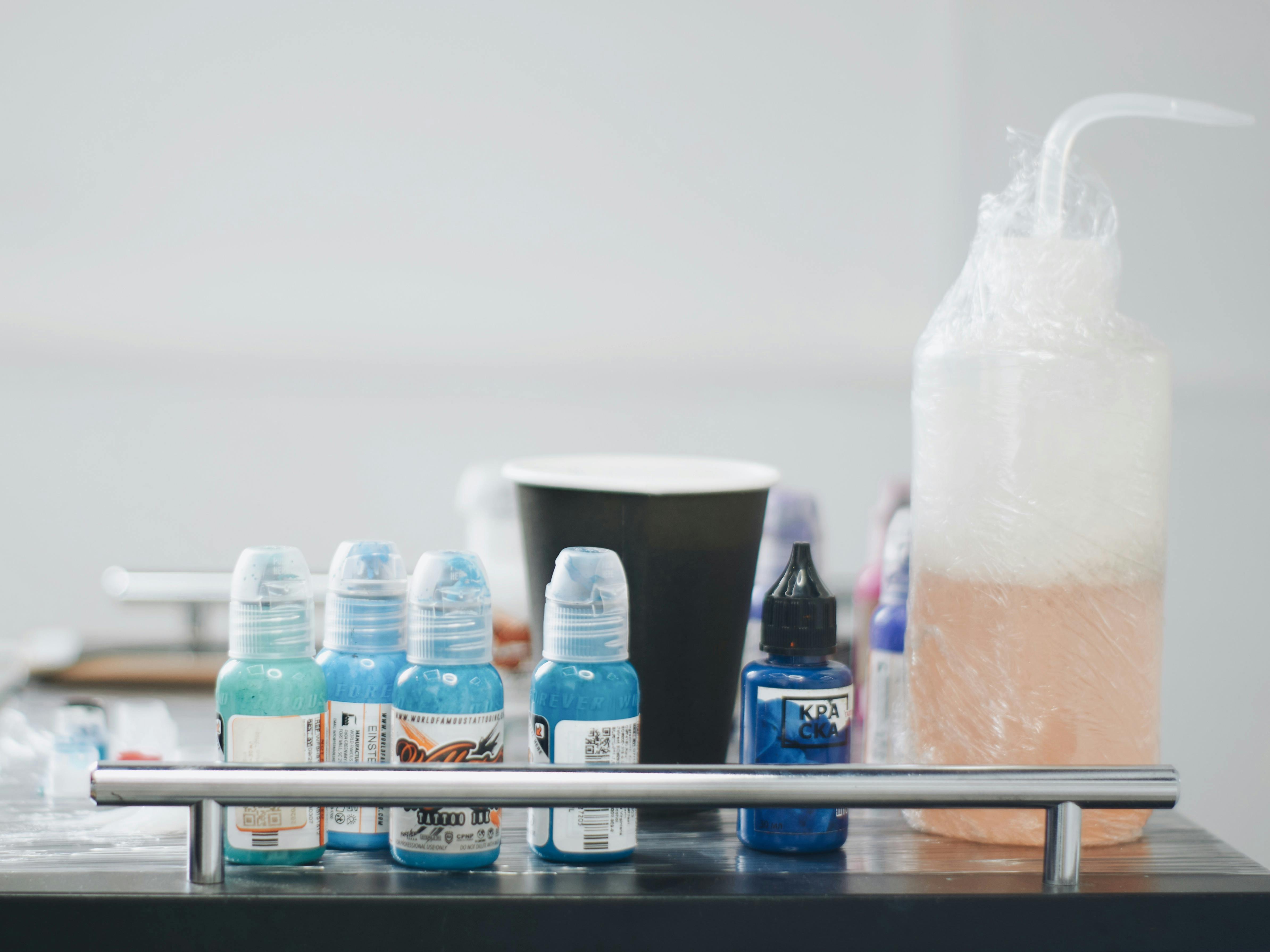
Brand-level safety in tattoo ink is not just about marketing claims. It is about documentation discipline, manufacturing signals, and what a brand makes available for verification.
This post profiles the brands commonly cited in safety-focused discussions and maps the signals that make them stand out, plus the caveats that apply.
How we define safer here
Safer means better documentation, better traceability, better sterilization signals, and better sourcing discipline. It does not mean zero risk. It means the brand has done more of the work that makes verification possible.
Common markers across reputable ink lines:
Gamma irradiation or validated sterilization of sealed bottles
SDS (Safety Data Sheet) availability and ingredient transparency
Batch or lot number traceability
CI number disclosure for pigments
REACH compliance where applicable
Vegan or cruelty-free positioning, often used as a signal of cleaner carrier formulas
Tattoo ink SDS and tattoo ink safety data sheet
If an artist or studio cannot show SDS documentation when asked, you are missing a key verification signal. SDS documents typically list major components and pigment identifiers, often using CI numbers. It is not perfect transparency. It is still better than no documentation at all.
CI number tattoo ink meaning
CI stands for Color Index. CI numbers are used to identify specific pigment compounds. When a brand lists CI numbers, it gives you verifiable information about what pigment family is in the bottle.
Gamma sterilized tattoo ink
Gamma irradiation is commonly cited as a sterilization signal for sealed bottles. It is not a guarantee of zero risk. It is a marker that sterilization has been addressed at the product level.
How to spot counterfeit tattoo ink
Counterfeits are a known risk for popular brands. The practical takeaway is simple. Source ink through verified distributors. Use authenticity features when available. Treat unusually cheap supply chains as a risk, not a bargain.
Brand spotlights
Eternal Ink
Eternal is widely used in professional settings. Their positioning emphasizes vegan and cruelty-free formulation, sterile production, and ingredient transparency through SDS documentation.
Common composition in this framing includes pigments in a carrier of distilled water, glycerin, and alcohol, with some formulations including witch hazel.
World Famous Tattoo Ink
World Famous uses CI pigment numbers in documentation and references SDS availability. Some lines are marketed as REACH compliant for EU markets. They emphasize quality control and batch consistency.
Dynamic Black Tattoo Ink
Dynamic Black is widely used for lining and shading. It uses a carbon black base, often Pigment Black 7, in a water, glycerin, and alcohol carrier.
Key verification note. Check for sealed bottles and authenticity features. Sourcing from verified distributors matters due to counterfeit risk. There has been at least one documented recall associated with contamination concerns, so lot number verification matters.
Kuro Sumi Black Outlining Ink
Kuro Sumi is known for smooth flow and consistent black performance. CI numbers and carrier components are referenced in this framing.
Important caveats. Ingredient disclosure can vary by color within the line. Counterfeit risk exists. Batch and distributor sourcing discipline matters more than the label alone.
Radiant Colors Tattoo Ink
Radiant positions around vegan pigments, a wide color range, and strong saturation. They promote professional-grade pigment mixes.
At least one contamination alert has been associated with this brand. This reinforces why lot number verification and sourcing checks are not optional.
Allegory Ultra Blak
Allegory emphasizes a minimal-additive formulation with strong black and gray performance. Lot tracking and packaging discipline are part of the positioning.
REACH is strong on chemical composition restrictions. It does not cover handling failures, storage failures, supply chain problems, or individual allergic reactions.
Translate compliant correctly. REACH compliance means the formulation is designed to meet EU chemical restrictions. It does not mean you cannot react, a batch cannot be contaminated, or a studio cannot mishandle it.
Dynamic Platinum Master Collection
The Platinum line is positioned as a premium multi-color offering. It emphasizes quality control, traceability, and REACH-positioned packaging for applicable markets.
Quick action checklist
Plant-derived inks position around natural pigment sources and lower heavy metal concerns. The marketing angle is cleaner chemistry.
The evidence on long-term behavior of plant pigments in tissue is limited in this framing. Natural does not automatically mean low reaction risk. If a brand cannot provide SDS documentation, the natural label alone is not a safety signal.
Intenze
Intenze references ISO standards, quality controls, and sterilization in documentation, with some lines described as reformulated for REACH compliance.
Past contamination incidents have been reported. SDS access and lot number verification remain essential regardless of brand reputation.
Common ingredient patterns across reputable inks
Most established ink lines share a similar structural formula: pigment plus water, glycerin, and alcohol, with optional additions like witch hazel or propylene glycol. CI numbers identify the pigment compounds used.
What separates reputable brands is not a radically different formula. It is documentation discipline, sterilization validation signals, and traceability that make the formula verifiable.
How to use this list without being naive
Brand reputation is a starting point, not a guarantee. Batch variation, supply chain handling, counterfeit products, and studio storage practices can change what ends up in the needle. Even a well-documented brand can have problem batches.
Before you sit down:
Ask to see the SDS for the specific ink being used
Ask for the lot number and expiration date
Ask where the studio sources their ink, manufacturer direct or verified distributor
For any brand with documented past recalls, treat verification as non-negotiable
If you are weighing removal options instead of new ink decisions, choose the path that matches your goal:
What’s next
Post 3 goes under the hood. It covers ink chemistry basics, pigment families by tattoo style, and practical safety checks that do not require trusting a label. Read it at the link below.
Next post: What Tattoo Inks Are Made Of and Which Pigments Are Generally Considered Safer
Brand-level safety in tattoo ink is not just about marketing claims. It is about documentation discipline, manufacturing signals, and what a brand makes available for verification.
This post profiles the brands commonly cited in safety-focused discussions and maps the signals that make them stand out, plus the caveats that apply.
How we define safer here
Safer means better documentation, better traceability, better sterilization signals, and better sourcing discipline. It does not mean zero risk. It means the brand has done more of the work that makes verification possible.
Common markers across reputable ink lines:
Gamma irradiation or validated sterilization of sealed bottles
SDS (Safety Data Sheet) availability and ingredient transparency
Batch or lot number traceability
CI number disclosure for pigments
REACH compliance where applicable
Vegan or cruelty-free positioning, often used as a signal of cleaner carrier formulas
Tattoo ink SDS and tattoo ink safety data sheet
If an artist or studio cannot show SDS documentation when asked, you are missing a key verification signal. SDS documents typically list major components and pigment identifiers, often using CI numbers. It is not perfect transparency. It is still better than no documentation at all.
CI number tattoo ink meaning
CI stands for Color Index. CI numbers are used to identify specific pigment compounds. When a brand lists CI numbers, it gives you verifiable information about what pigment family is in the bottle.
Gamma sterilized tattoo ink
Gamma irradiation is commonly cited as a sterilization signal for sealed bottles. It is not a guarantee of zero risk. It is a marker that sterilization has been addressed at the product level.
How to spot counterfeit tattoo ink
Counterfeits are a known risk for popular brands. The practical takeaway is simple. Source ink through verified distributors. Use authenticity features when available. Treat unusually cheap supply chains as a risk, not a bargain.
Brand spotlights
Eternal Ink
Eternal is widely used in professional settings. Their positioning emphasizes vegan and cruelty-free formulation, sterile production, and ingredient transparency through SDS documentation.
Common composition in this framing includes pigments in a carrier of distilled water, glycerin, and alcohol, with some formulations including witch hazel.
World Famous Tattoo Ink
World Famous uses CI pigment numbers in documentation and references SDS availability. Some lines are marketed as REACH compliant for EU markets. They emphasize quality control and batch consistency.
Dynamic Black Tattoo Ink
Dynamic Black is widely used for lining and shading. It uses a carbon black base, often Pigment Black 7, in a water, glycerin, and alcohol carrier.
Key verification note. Check for sealed bottles and authenticity features. Sourcing from verified distributors matters due to counterfeit risk. There has been at least one documented recall associated with contamination concerns, so lot number verification matters.
Kuro Sumi Black Outlining Ink
Kuro Sumi is known for smooth flow and consistent black performance. CI numbers and carrier components are referenced in this framing.
Important caveats. Ingredient disclosure can vary by color within the line. Counterfeit risk exists. Batch and distributor sourcing discipline matters more than the label alone.
Radiant Colors Tattoo Ink
Radiant positions around vegan pigments, a wide color range, and strong saturation. They promote professional-grade pigment mixes.
At least one contamination alert has been associated with this brand. This reinforces why lot number verification and sourcing checks are not optional.
Allegory Ultra Blak
Allegory emphasizes a minimal-additive formulation with strong black and gray performance. Lot tracking and packaging discipline are part of the positioning.
REACH is strong on chemical composition restrictions. It does not cover handling failures, storage failures, supply chain problems, or individual allergic reactions.
Translate compliant correctly. REACH compliance means the formulation is designed to meet EU chemical restrictions. It does not mean you cannot react, a batch cannot be contaminated, or a studio cannot mishandle it.
Dynamic Platinum Master Collection
The Platinum line is positioned as a premium multi-color offering. It emphasizes quality control, traceability, and REACH-positioned packaging for applicable markets.
Quick action checklist
Plant-derived inks position around natural pigment sources and lower heavy metal concerns. The marketing angle is cleaner chemistry.
The evidence on long-term behavior of plant pigments in tissue is limited in this framing. Natural does not automatically mean low reaction risk. If a brand cannot provide SDS documentation, the natural label alone is not a safety signal.
Intenze
Intenze references ISO standards, quality controls, and sterilization in documentation, with some lines described as reformulated for REACH compliance.
Past contamination incidents have been reported. SDS access and lot number verification remain essential regardless of brand reputation.
Common ingredient patterns across reputable inks
Most established ink lines share a similar structural formula: pigment plus water, glycerin, and alcohol, with optional additions like witch hazel or propylene glycol. CI numbers identify the pigment compounds used.
What separates reputable brands is not a radically different formula. It is documentation discipline, sterilization validation signals, and traceability that make the formula verifiable.
How to use this list without being naive
Brand reputation is a starting point, not a guarantee. Batch variation, supply chain handling, counterfeit products, and studio storage practices can change what ends up in the needle. Even a well-documented brand can have problem batches.
Before you sit down:
Ask to see the SDS for the specific ink being used
Ask for the lot number and expiration date
Ask where the studio sources their ink, manufacturer direct or verified distributor
For any brand with documented past recalls, treat verification as non-negotiable
If you are weighing removal options instead of new ink decisions, choose the path that matches your goal:
What’s next
Post 3 goes under the hood. It covers ink chemistry basics, pigment families by tattoo style, and practical safety checks that do not require trusting a label. Read it at the link below.
Next post: What Tattoo Inks Are Made Of and Which Pigments Are Generally Considered Safer
Brand-level safety in tattoo ink is not just about marketing claims. It is about documentation discipline, manufacturing signals, and what a brand makes available for verification.
This post profiles the brands commonly cited in safety-focused discussions and maps the signals that make them stand out, plus the caveats that apply.
How we define safer here
Safer means better documentation, better traceability, better sterilization signals, and better sourcing discipline. It does not mean zero risk. It means the brand has done more of the work that makes verification possible.
Common markers across reputable ink lines:
Gamma irradiation or validated sterilization of sealed bottles
SDS (Safety Data Sheet) availability and ingredient transparency
Batch or lot number traceability
CI number disclosure for pigments
REACH compliance where applicable
Vegan or cruelty-free positioning, often used as a signal of cleaner carrier formulas
Tattoo ink SDS and tattoo ink safety data sheet
If an artist or studio cannot show SDS documentation when asked, you are missing a key verification signal. SDS documents typically list major components and pigment identifiers, often using CI numbers. It is not perfect transparency. It is still better than no documentation at all.
CI number tattoo ink meaning
CI stands for Color Index. CI numbers are used to identify specific pigment compounds. When a brand lists CI numbers, it gives you verifiable information about what pigment family is in the bottle.
Gamma sterilized tattoo ink
Gamma irradiation is commonly cited as a sterilization signal for sealed bottles. It is not a guarantee of zero risk. It is a marker that sterilization has been addressed at the product level.
How to spot counterfeit tattoo ink
Counterfeits are a known risk for popular brands. The practical takeaway is simple. Source ink through verified distributors. Use authenticity features when available. Treat unusually cheap supply chains as a risk, not a bargain.
Brand spotlights
Eternal Ink
Eternal is widely used in professional settings. Their positioning emphasizes vegan and cruelty-free formulation, sterile production, and ingredient transparency through SDS documentation.
Common composition in this framing includes pigments in a carrier of distilled water, glycerin, and alcohol, with some formulations including witch hazel.
World Famous Tattoo Ink
World Famous uses CI pigment numbers in documentation and references SDS availability. Some lines are marketed as REACH compliant for EU markets. They emphasize quality control and batch consistency.
Dynamic Black Tattoo Ink
Dynamic Black is widely used for lining and shading. It uses a carbon black base, often Pigment Black 7, in a water, glycerin, and alcohol carrier.
Key verification note. Check for sealed bottles and authenticity features. Sourcing from verified distributors matters due to counterfeit risk. There has been at least one documented recall associated with contamination concerns, so lot number verification matters.
Kuro Sumi Black Outlining Ink
Kuro Sumi is known for smooth flow and consistent black performance. CI numbers and carrier components are referenced in this framing.
Important caveats. Ingredient disclosure can vary by color within the line. Counterfeit risk exists. Batch and distributor sourcing discipline matters more than the label alone.
Radiant Colors Tattoo Ink
Radiant positions around vegan pigments, a wide color range, and strong saturation. They promote professional-grade pigment mixes.
At least one contamination alert has been associated with this brand. This reinforces why lot number verification and sourcing checks are not optional.
Allegory Ultra Blak
Allegory emphasizes a minimal-additive formulation with strong black and gray performance. Lot tracking and packaging discipline are part of the positioning.
REACH is strong on chemical composition restrictions. It does not cover handling failures, storage failures, supply chain problems, or individual allergic reactions.
Translate compliant correctly. REACH compliance means the formulation is designed to meet EU chemical restrictions. It does not mean you cannot react, a batch cannot be contaminated, or a studio cannot mishandle it.
Dynamic Platinum Master Collection
The Platinum line is positioned as a premium multi-color offering. It emphasizes quality control, traceability, and REACH-positioned packaging for applicable markets.
Quick action checklist
Plant-derived inks position around natural pigment sources and lower heavy metal concerns. The marketing angle is cleaner chemistry.
The evidence on long-term behavior of plant pigments in tissue is limited in this framing. Natural does not automatically mean low reaction risk. If a brand cannot provide SDS documentation, the natural label alone is not a safety signal.
Intenze
Intenze references ISO standards, quality controls, and sterilization in documentation, with some lines described as reformulated for REACH compliance.
Past contamination incidents have been reported. SDS access and lot number verification remain essential regardless of brand reputation.
Common ingredient patterns across reputable inks
Most established ink lines share a similar structural formula: pigment plus water, glycerin, and alcohol, with optional additions like witch hazel or propylene glycol. CI numbers identify the pigment compounds used.
What separates reputable brands is not a radically different formula. It is documentation discipline, sterilization validation signals, and traceability that make the formula verifiable.
How to use this list without being naive
Brand reputation is a starting point, not a guarantee. Batch variation, supply chain handling, counterfeit products, and studio storage practices can change what ends up in the needle. Even a well-documented brand can have problem batches.
Before you sit down:
Ask to see the SDS for the specific ink being used
Ask for the lot number and expiration date
Ask where the studio sources their ink, manufacturer direct or verified distributor
For any brand with documented past recalls, treat verification as non-negotiable
If you are weighing removal options instead of new ink decisions, choose the path that matches your goal:
What’s next
Post 3 goes under the hood. It covers ink chemistry basics, pigment families by tattoo style, and practical safety checks that do not require trusting a label. Read it at the link below.
Next post: What Tattoo Inks Are Made Of and Which Pigments Are Generally Considered Safer

Individual results may vary. Safe when performed by certified technicians following proper protocols and aftercare guidelines. Rejuvatek Aesthetics™ is a registered trademark.
All rights reserved. Rejuvatek Medical Inc © 2026.
Individual results may vary. Safe when performed by certified technicians following proper protocols and aftercare guidelines. Rejuvatek Aesthetics™ is a registered trademark.
All rights reserved. Rejuvatek Medical Inc © 2026.
Individual results may vary. Safe when performed by certified technicians following proper protocols and aftercare guidelines. Rejuvatek Aesthetics™ is a registered trademark.
All rights reserved. Rejuvatek Medical Inc © 2026.