

White Ink Tattoo Removal: Why It’s Hard to Remove, What Can Happen, and How to Plan
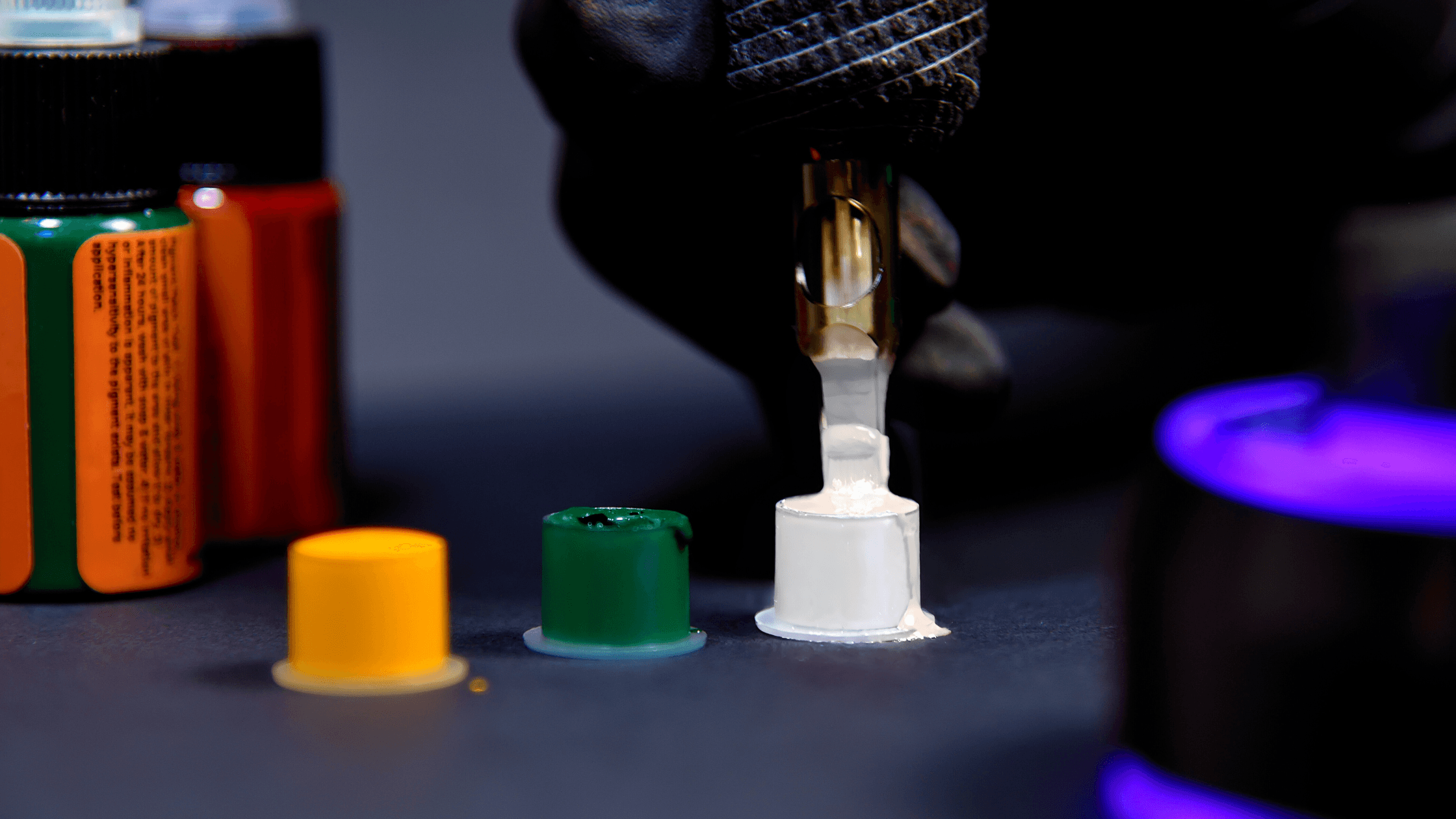
White ink tattoos can look subtle and decorative when first applied. However, they can present unique challenges when removal is considered later.
Many people ask the same question: can white tattoo ink be removed? The answer is sometimes yes, but the process can be less predictable with certain methods than removing darker inks. This is because white pigments behave differently in the skin. Their composition, light interaction, and chemical reactions during treatment can affect how the tattoo responds.
Understanding these factors can help you prepare for a careful tattoo removal consultation and realistic treatment planning.
The Direct Answer
White ink tattoo removal is possible in some cases, but it is often more complex than removing darker pigments, especially when using lasers to remove your unwanted tattoo.
Several factors influence the outcome, including:
Ink composition
Tattoo age
Skin response to treatment
Removal method used
Aftercare compliance
Because white pigments behave differently, laser tattoo removal providers often recommend conservative planning and, in many cases, a test spot before treating a larger area.
The goal is to observe how the ink responds before committing to a full removal plan.
Why White Ink Is Different
White tattoo pigment behaves differently than black, blue, or green ink. The difference comes from how the pigment interacts with light and how its chemical structure reacts during treatment.
These characteristics explain why white tattoo removal requires careful planning.
White reflects light
Most tattoo removal methods rely on targeting pigment inside the skin. Black ink absorbs light energy easily, which makes it more responsive to laser removal methods. White pigment behaves differently, however. Instead of absorbing light, it tends to reflect it.
This reflective quality can make laser tattoo removal white ink treatments less predictable. Energy may pass through the pigment without interacting strongly with it. As a result, white ink sometimes changes slowly, unevenly, or not at all during treatment.
Oxidation risk and darkening
Another issue is white ink oxidation reactions. Many white tattoo pigments contain titanium dioxide tattoo ink, a compound that gives the pigment its bright appearance. During some removal procedures, this compound can change chemically. When oxidation occurs, the white pigment may darken instead of lighten or even change to an orange or pink color.
This reaction is called paradoxical darkening. Instead of fading, the treated area may turn gray or dark. The new color can rarely be treated with lasers afterward, making it permanent. Because of this possibility, experienced laser providers often proceed cautiously and may begin with a test spot.
Pigment composition can vary
Not all white inks are the same. Tattoo pigment formulations vary widely between manufacturers. Some white inks include titanium dioxide. Others contain zinc oxide or mixed pigments. These variations mean the behavior of white ink can differ from one tattoo to another. Even tattoos that appear similar may respond differently during laser tattoo removal.
This uncertainty is one reason consultations and test treatments are important.
What Can Happen During Removal
White ink tattoos can respond to treatment in several ways. Some responses are expected parts of the healing process. Others require careful monitoring.
Understanding these possibilities helps set realistic expectations:
Partial fading
In some cases, white ink gradually becomes less visible over time. However, complete removal is not always predictable or possible. Some pigment may remain even after multiple treatments.
Fading patterns can vary depending on the pigment formulation and the method used.
Paradoxical darkening
As mentioned above, one of the most discussed reactions is paradoxical darkening. This occurs when the white pigment oxidizes and turns darker after treatment. The darkened pigment may resemble gray, black, or orange ink.
Although this reaction can occasionally be treated afterward, it changes the removal strategy and may not always be possible to remove. Providers often use test spots to evaluate this risk before treating a full tattoo.
Pigment changes in skin
Tattoo removal can also affect the surrounding skin. Possible responses include:
Temporary hyperpigmentation
Temporary hypopigmentation
Post-inflammatory pigment changes
These reactions are collectively described as tattoo removal pigment change. Skin type and tone can influence these risks. Individuals with a higher Fitzpatrick skin type classifications may experience pigment changes more frequently during healing and laser treatments.
Proper aftercare and conservative treatment settings can help reduce these risks.
Removal Options for White Ink Tattoos
Several approaches may be considered when treating white ink tattoos. Each method has advantages and limitations. A consultation helps determine which option is most appropriate for a specific tattoo.
Laser tattoo removal
Laser systems are widely used for many tattoo colors. However, laser tattoo removal for white ink can be unpredictable or ineffective because white pigment reflects light. In addition, the oxidation reaction described earlier may occur in some cases.
Clients weighing their options beyond laser often compare non-laser and surgical removal methods side by side.
Non-laser clinic approaches
Some places offer non-laser tattoo removal methods, such as inkOUT, which is able to remove any ink color equally.
These approaches do not rely on light absorption by pigment. Instead, treatment works through controlled skin response followed by ink expulsion during healing.
Because the process does not depend on pigment absorbing light energy, it should be considered for those interested in removing white ink.
Each treatment method should be evaluated individually based on the tattoo and the patient’s skin response.
Surgical excision for very small tattoos
In rare situations, surgical excision may be considered. This procedure removes the tattooed skin entirely via surgery and closes the treated area with sutures.
Surgical tattoo removal is usually limited to very small tattoos located in areas where the skin can close without tension. Because excision replaces the tattoo with a surgical scar, it is typically considered only when other options are not appropriate.
Who Should Be Extra Careful
Certain situations require additional caution when planning white ink tattoo removal. These include:
Tattoos made primarily with white pigment
Cosmetic tattoos containing light or white pigments
Individuals with higher Fitzpatrick skin type classifications
Patients with a history of pigment disorders
Tattoos placed over scar tissue
In these situations, providers may recommend slower treatment pacing and careful observation after each session.
What to Ask in a Consultation
A tattoo removal consultation should review the tattoo, skin type, and treatment goals. Consider asking questions such as:
Can white tattoo ink be removed in my case?
What removal methods are appropriate for this pigment?
Should we perform a test spot first?
What is the risk of paradoxical darkening? (For laser tattoo removal only)
What pigment changes should I watch for during healing?
How many sessions might be required?
Clear answers help patients understand the plan and the possible outcomes.
Aftercare Rules That Reduce Complications
Aftercare plays a major role in tattoo removal healing. Reducing inflammation helps limit pigment changes and other complications.
Most aftercare guidance includes:
Keeping the area clean
Avoiding picking or scratching
Protecting the skin from sun exposure
Following provider instructions closely
Proper aftercare helps the skin recover and supports predictable healing. You can review detailed instructions for our non-laser tattoo removal aftercare on our aftercare page.
Where inkOUT Fits In
inkOUT provides a strategic approach designed to remove tattoo ink while preserving the surrounding skin.
Instead of relying on light absorption, the inkOUT process focuses on guiding ink out of the skin through controlled treatment and healing. Because the method does not depend on pigment absorbing laser energy, it should be considered when evaluating removal options for lighter inks.
inkOUT is also effective for permanent makeup and microblading removal. Some permanent makeups can also oxidize when removed with lasers, which is why inkOUT stands out as an effective tattoo removal method. You can learn more about this approach on our tattoo removal page and explore additional information about health-conscious tattoo removal.
Every tattoo is different. The best approach begins with a careful consultation and a treatment plan tailored to each client’s tattoo and skin.
For more information about tattoo removal, check out other articles.
White ink tattoos can look subtle and decorative when first applied. However, they can present unique challenges when removal is considered later.
Many people ask the same question: can white tattoo ink be removed? The answer is sometimes yes, but the process can be less predictable with certain methods than removing darker inks. This is because white pigments behave differently in the skin. Their composition, light interaction, and chemical reactions during treatment can affect how the tattoo responds.
Understanding these factors can help you prepare for a careful tattoo removal consultation and realistic treatment planning.
The Direct Answer
White ink tattoo removal is possible in some cases, but it is often more complex than removing darker pigments, especially when using lasers to remove your unwanted tattoo.
Several factors influence the outcome, including:
Ink composition
Tattoo age
Skin response to treatment
Removal method used
Aftercare compliance
Because white pigments behave differently, laser tattoo removal providers often recommend conservative planning and, in many cases, a test spot before treating a larger area.
The goal is to observe how the ink responds before committing to a full removal plan.
Why White Ink Is Different
White tattoo pigment behaves differently than black, blue, or green ink. The difference comes from how the pigment interacts with light and how its chemical structure reacts during treatment.
These characteristics explain why white tattoo removal requires careful planning.
White reflects light
Most tattoo removal methods rely on targeting pigment inside the skin. Black ink absorbs light energy easily, which makes it more responsive to laser removal methods. White pigment behaves differently, however. Instead of absorbing light, it tends to reflect it.
This reflective quality can make laser tattoo removal white ink treatments less predictable. Energy may pass through the pigment without interacting strongly with it. As a result, white ink sometimes changes slowly, unevenly, or not at all during treatment.
Oxidation risk and darkening
Another issue is white ink oxidation reactions. Many white tattoo pigments contain titanium dioxide tattoo ink, a compound that gives the pigment its bright appearance. During some removal procedures, this compound can change chemically. When oxidation occurs, the white pigment may darken instead of lighten or even change to an orange or pink color.
This reaction is called paradoxical darkening. Instead of fading, the treated area may turn gray or dark. The new color can rarely be treated with lasers afterward, making it permanent. Because of this possibility, experienced laser providers often proceed cautiously and may begin with a test spot.
Pigment composition can vary
Not all white inks are the same. Tattoo pigment formulations vary widely between manufacturers. Some white inks include titanium dioxide. Others contain zinc oxide or mixed pigments. These variations mean the behavior of white ink can differ from one tattoo to another. Even tattoos that appear similar may respond differently during laser tattoo removal.
This uncertainty is one reason consultations and test treatments are important.
What Can Happen During Removal
White ink tattoos can respond to treatment in several ways. Some responses are expected parts of the healing process. Others require careful monitoring.
Understanding these possibilities helps set realistic expectations:
Partial fading
In some cases, white ink gradually becomes less visible over time. However, complete removal is not always predictable or possible. Some pigment may remain even after multiple treatments.
Fading patterns can vary depending on the pigment formulation and the method used.
Paradoxical darkening
As mentioned above, one of the most discussed reactions is paradoxical darkening. This occurs when the white pigment oxidizes and turns darker after treatment. The darkened pigment may resemble gray, black, or orange ink.
Although this reaction can occasionally be treated afterward, it changes the removal strategy and may not always be possible to remove. Providers often use test spots to evaluate this risk before treating a full tattoo.
Pigment changes in skin
Tattoo removal can also affect the surrounding skin. Possible responses include:
Temporary hyperpigmentation
Temporary hypopigmentation
Post-inflammatory pigment changes
These reactions are collectively described as tattoo removal pigment change. Skin type and tone can influence these risks. Individuals with a higher Fitzpatrick skin type classifications may experience pigment changes more frequently during healing and laser treatments.
Proper aftercare and conservative treatment settings can help reduce these risks.
Removal Options for White Ink Tattoos
Several approaches may be considered when treating white ink tattoos. Each method has advantages and limitations. A consultation helps determine which option is most appropriate for a specific tattoo.
Laser tattoo removal
Laser systems are widely used for many tattoo colors. However, laser tattoo removal for white ink can be unpredictable or ineffective because white pigment reflects light. In addition, the oxidation reaction described earlier may occur in some cases.
Clients weighing their options beyond laser often compare non-laser and surgical removal methods side by side.
Non-laser clinic approaches
Some places offer non-laser tattoo removal methods, such as inkOUT, which is able to remove any ink color equally.
These approaches do not rely on light absorption by pigment. Instead, treatment works through controlled skin response followed by ink expulsion during healing.
Because the process does not depend on pigment absorbing light energy, it should be considered for those interested in removing white ink.
Each treatment method should be evaluated individually based on the tattoo and the patient’s skin response.
Surgical excision for very small tattoos
In rare situations, surgical excision may be considered. This procedure removes the tattooed skin entirely via surgery and closes the treated area with sutures.
Surgical tattoo removal is usually limited to very small tattoos located in areas where the skin can close without tension. Because excision replaces the tattoo with a surgical scar, it is typically considered only when other options are not appropriate.
Who Should Be Extra Careful
Certain situations require additional caution when planning white ink tattoo removal. These include:
Tattoos made primarily with white pigment
Cosmetic tattoos containing light or white pigments
Individuals with higher Fitzpatrick skin type classifications
Patients with a history of pigment disorders
Tattoos placed over scar tissue
In these situations, providers may recommend slower treatment pacing and careful observation after each session.
What to Ask in a Consultation
A tattoo removal consultation should review the tattoo, skin type, and treatment goals. Consider asking questions such as:
Can white tattoo ink be removed in my case?
What removal methods are appropriate for this pigment?
Should we perform a test spot first?
What is the risk of paradoxical darkening? (For laser tattoo removal only)
What pigment changes should I watch for during healing?
How many sessions might be required?
Clear answers help patients understand the plan and the possible outcomes.
Aftercare Rules That Reduce Complications
Aftercare plays a major role in tattoo removal healing. Reducing inflammation helps limit pigment changes and other complications.
Most aftercare guidance includes:
Keeping the area clean
Avoiding picking or scratching
Protecting the skin from sun exposure
Following provider instructions closely
Proper aftercare helps the skin recover and supports predictable healing. You can review detailed instructions for our non-laser tattoo removal aftercare on our aftercare page.
Where inkOUT Fits In
inkOUT provides a strategic approach designed to remove tattoo ink while preserving the surrounding skin.
Instead of relying on light absorption, the inkOUT process focuses on guiding ink out of the skin through controlled treatment and healing. Because the method does not depend on pigment absorbing laser energy, it should be considered when evaluating removal options for lighter inks.
inkOUT is also effective for permanent makeup and microblading removal. Some permanent makeups can also oxidize when removed with lasers, which is why inkOUT stands out as an effective tattoo removal method. You can learn more about this approach on our tattoo removal page and explore additional information about health-conscious tattoo removal.
Every tattoo is different. The best approach begins with a careful consultation and a treatment plan tailored to each client’s tattoo and skin.
For more information about tattoo removal, check out other articles.
White ink tattoos can look subtle and decorative when first applied. However, they can present unique challenges when removal is considered later.
Many people ask the same question: can white tattoo ink be removed? The answer is sometimes yes, but the process can be less predictable with certain methods than removing darker inks. This is because white pigments behave differently in the skin. Their composition, light interaction, and chemical reactions during treatment can affect how the tattoo responds.
Understanding these factors can help you prepare for a careful tattoo removal consultation and realistic treatment planning.
The Direct Answer
White ink tattoo removal is possible in some cases, but it is often more complex than removing darker pigments, especially when using lasers to remove your unwanted tattoo.
Several factors influence the outcome, including:
Ink composition
Tattoo age
Skin response to treatment
Removal method used
Aftercare compliance
Because white pigments behave differently, laser tattoo removal providers often recommend conservative planning and, in many cases, a test spot before treating a larger area.
The goal is to observe how the ink responds before committing to a full removal plan.
Why White Ink Is Different
White tattoo pigment behaves differently than black, blue, or green ink. The difference comes from how the pigment interacts with light and how its chemical structure reacts during treatment.
These characteristics explain why white tattoo removal requires careful planning.
White reflects light
Most tattoo removal methods rely on targeting pigment inside the skin. Black ink absorbs light energy easily, which makes it more responsive to laser removal methods. White pigment behaves differently, however. Instead of absorbing light, it tends to reflect it.
This reflective quality can make laser tattoo removal white ink treatments less predictable. Energy may pass through the pigment without interacting strongly with it. As a result, white ink sometimes changes slowly, unevenly, or not at all during treatment.
Oxidation risk and darkening
Another issue is white ink oxidation reactions. Many white tattoo pigments contain titanium dioxide tattoo ink, a compound that gives the pigment its bright appearance. During some removal procedures, this compound can change chemically. When oxidation occurs, the white pigment may darken instead of lighten or even change to an orange or pink color.
This reaction is called paradoxical darkening. Instead of fading, the treated area may turn gray or dark. The new color can rarely be treated with lasers afterward, making it permanent. Because of this possibility, experienced laser providers often proceed cautiously and may begin with a test spot.
Pigment composition can vary
Not all white inks are the same. Tattoo pigment formulations vary widely between manufacturers. Some white inks include titanium dioxide. Others contain zinc oxide or mixed pigments. These variations mean the behavior of white ink can differ from one tattoo to another. Even tattoos that appear similar may respond differently during laser tattoo removal.
This uncertainty is one reason consultations and test treatments are important.
What Can Happen During Removal
White ink tattoos can respond to treatment in several ways. Some responses are expected parts of the healing process. Others require careful monitoring.
Understanding these possibilities helps set realistic expectations:
Partial fading
In some cases, white ink gradually becomes less visible over time. However, complete removal is not always predictable or possible. Some pigment may remain even after multiple treatments.
Fading patterns can vary depending on the pigment formulation and the method used.
Paradoxical darkening
As mentioned above, one of the most discussed reactions is paradoxical darkening. This occurs when the white pigment oxidizes and turns darker after treatment. The darkened pigment may resemble gray, black, or orange ink.
Although this reaction can occasionally be treated afterward, it changes the removal strategy and may not always be possible to remove. Providers often use test spots to evaluate this risk before treating a full tattoo.
Pigment changes in skin
Tattoo removal can also affect the surrounding skin. Possible responses include:
Temporary hyperpigmentation
Temporary hypopigmentation
Post-inflammatory pigment changes
These reactions are collectively described as tattoo removal pigment change. Skin type and tone can influence these risks. Individuals with a higher Fitzpatrick skin type classifications may experience pigment changes more frequently during healing and laser treatments.
Proper aftercare and conservative treatment settings can help reduce these risks.
Removal Options for White Ink Tattoos
Several approaches may be considered when treating white ink tattoos. Each method has advantages and limitations. A consultation helps determine which option is most appropriate for a specific tattoo.
Laser tattoo removal
Laser systems are widely used for many tattoo colors. However, laser tattoo removal for white ink can be unpredictable or ineffective because white pigment reflects light. In addition, the oxidation reaction described earlier may occur in some cases.
Clients weighing their options beyond laser often compare non-laser and surgical removal methods side by side.
Non-laser clinic approaches
Some places offer non-laser tattoo removal methods, such as inkOUT, which is able to remove any ink color equally.
These approaches do not rely on light absorption by pigment. Instead, treatment works through controlled skin response followed by ink expulsion during healing.
Because the process does not depend on pigment absorbing light energy, it should be considered for those interested in removing white ink.
Each treatment method should be evaluated individually based on the tattoo and the patient’s skin response.
Surgical excision for very small tattoos
In rare situations, surgical excision may be considered. This procedure removes the tattooed skin entirely via surgery and closes the treated area with sutures.
Surgical tattoo removal is usually limited to very small tattoos located in areas where the skin can close without tension. Because excision replaces the tattoo with a surgical scar, it is typically considered only when other options are not appropriate.
Who Should Be Extra Careful
Certain situations require additional caution when planning white ink tattoo removal. These include:
Tattoos made primarily with white pigment
Cosmetic tattoos containing light or white pigments
Individuals with higher Fitzpatrick skin type classifications
Patients with a history of pigment disorders
Tattoos placed over scar tissue
In these situations, providers may recommend slower treatment pacing and careful observation after each session.
What to Ask in a Consultation
A tattoo removal consultation should review the tattoo, skin type, and treatment goals. Consider asking questions such as:
Can white tattoo ink be removed in my case?
What removal methods are appropriate for this pigment?
Should we perform a test spot first?
What is the risk of paradoxical darkening? (For laser tattoo removal only)
What pigment changes should I watch for during healing?
How many sessions might be required?
Clear answers help patients understand the plan and the possible outcomes.
Aftercare Rules That Reduce Complications
Aftercare plays a major role in tattoo removal healing. Reducing inflammation helps limit pigment changes and other complications.
Most aftercare guidance includes:
Keeping the area clean
Avoiding picking or scratching
Protecting the skin from sun exposure
Following provider instructions closely
Proper aftercare helps the skin recover and supports predictable healing. You can review detailed instructions for our non-laser tattoo removal aftercare on our aftercare page.
Where inkOUT Fits In
inkOUT provides a strategic approach designed to remove tattoo ink while preserving the surrounding skin.
Instead of relying on light absorption, the inkOUT process focuses on guiding ink out of the skin through controlled treatment and healing. Because the method does not depend on pigment absorbing laser energy, it should be considered when evaluating removal options for lighter inks.
inkOUT is also effective for permanent makeup and microblading removal. Some permanent makeups can also oxidize when removed with lasers, which is why inkOUT stands out as an effective tattoo removal method. You can learn more about this approach on our tattoo removal page and explore additional information about health-conscious tattoo removal.
Every tattoo is different. The best approach begins with a careful consultation and a treatment plan tailored to each client’s tattoo and skin.
For more information about tattoo removal, check out other articles.

Individual results may vary. Safe when performed by certified technicians following proper protocols and aftercare guidelines. Rejuvatek Aesthetics™ is a registered trademark.
All rights reserved. Rejuvatek Medical Inc © 2026.
Individual results may vary. Safe when performed by certified technicians following proper protocols and aftercare guidelines. Rejuvatek Aesthetics™ is a registered trademark.
All rights reserved. Rejuvatek Medical Inc © 2026.
Individual results may vary. Safe when performed by certified technicians following proper protocols and aftercare guidelines. Rejuvatek Aesthetics™ is a registered trademark.
All rights reserved. Rejuvatek Medical Inc © 2026.