

Finger Tattoo Guide: Design, Pain, Healing, Fading, and Aftercare
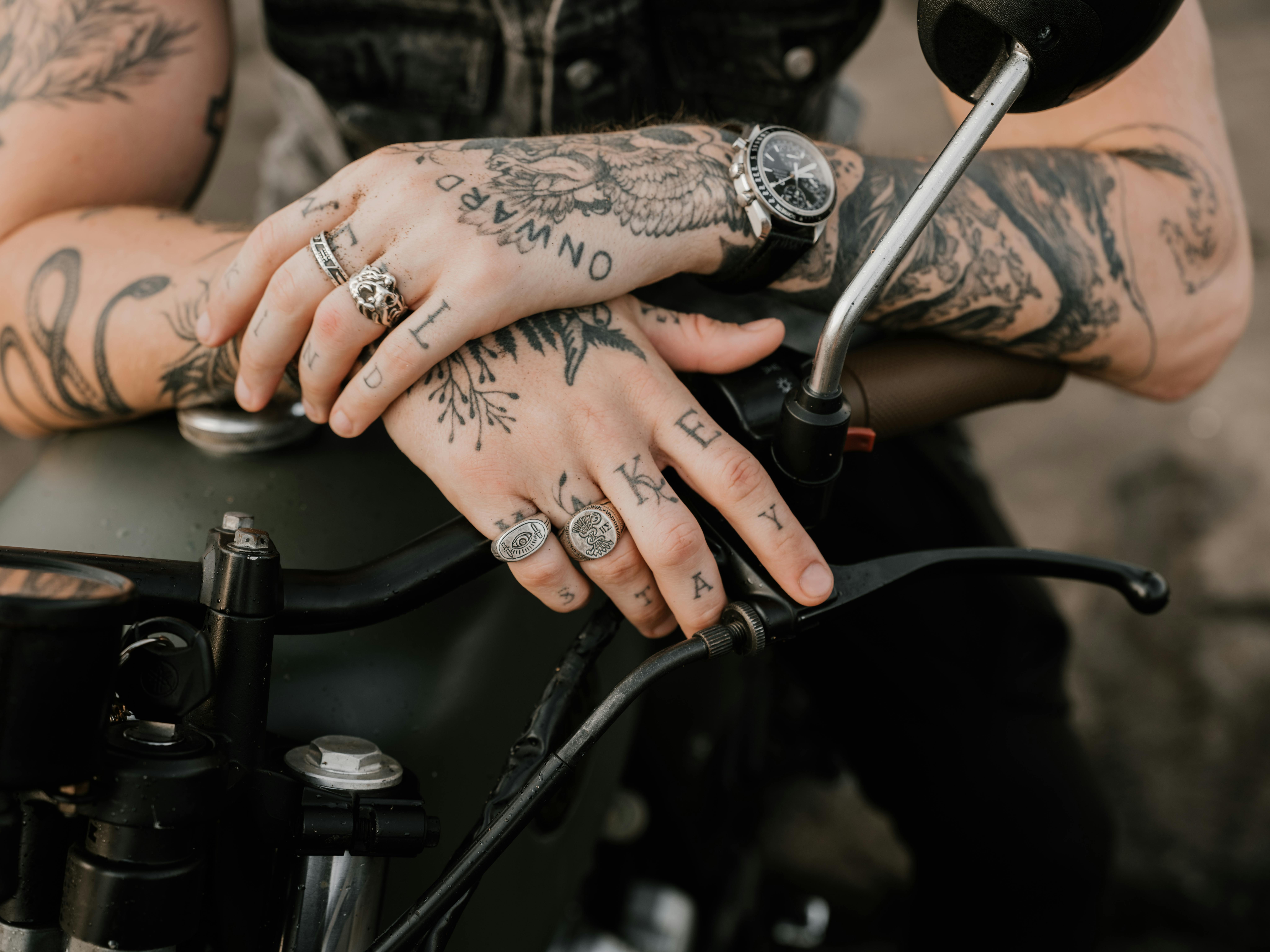
Why Finger Tattoos Require Different Planning
A finger tattoo sits on skin that moves constantly. The fingers bend, stretch, grip, and wash throughout the day. The skin is thin in some areas and thicker in others.
Hands are frequently exposed to:
Frequent washing
Friction from daily tasks
Sunlight
Dry air
Cleaning products
Because of this, finger tattoos require more planning than tattoos placed on the arm, leg, or back. Design, placement, and maintenance all matter more for this kind of tattoo.
Design Selection for Finger Tattoos
Finger tattoo ideas often focus on minimal, symbolic designs. Simplicity usually performs better than detail when it comes to finger tattoos.
Size and line weight
Small finger tattoo designs need adequate line weight. Extremely fine lines may blur or break apart as the skin sheds and regenerates.
Best practices include:
Slightly thicker lines
Simple shapes
Limited shading
Minimal detail
Micro-script and intricate patterns may not hold as expected due to easier fading, but alternatively, clear contrast helps maintain legibility over time. Finger tattoos are often priced differently than larger pieces. How tattoo costs break down by size, style, and placement is covered in a full pricing guide.
Placement choices on the finger
Placement of finger tattoos affect longevity. Common options include:
Top of the finger
Side of the finger
Inside of the finger
Around the base as a ring tattoo
Side and inner finger placements tend to experience more fading due to friction and skin turnover. Tattoos placed directly over joint creases may break or lighten unevenly as the finger bends frequently.
Ring tattoo designs at the base of the finger are popular, but often require maintenance due to constant movement and contact.
Finger Tattoo Pain: What to Expect
Finger tattoo pain is just one part of the picture. A full tattoo pain chart by body area breaks down the least to most painful placements across the whole body.
Reasons include:
Thin skin
Limited soft tissue
Proximity to bone
High nerve density
However, pain levels vary by person. The sensation is often described as sharp or intense, but usually very brief due to the small surface area. Sessions are usually much shorter compared to larger tattoos on other parts of the body.
Healing Timeline and Daily Restrictions
Finger tattoo healing can be slower and less predictable than other areas.
Typical healing stages after getting a finger tattoo:
Days 1-3: Swelling, redness, tenderness
Days 4-10: Peeling and surface flaking
Weeks 2-4: Surface appears healed
Up to 6 weeks: Deeper layers stabilize
Because hands are used constantly, healing may be disrupted by:
Hand washing and drying
Typing and gripping
Cleaning or cleaning products
Sweating
Limiting friction and moisture exposure during early healing phases typically improves results. Some professionals recommend scheduling your tattoo appointment around a time when hand use can be reduced.
Do Finger Tattoos Fade Faster?
Usually, yes. Most artists agree that finger tattoos fade faster than tattoos on other body parts.
Several factors contribute to this:
Hand washing and friction
Frequent hand washing and rubbing accelerate ink breakdown. Soap, sanitizer, and towel drying increase surface wear and skin turnover rate.
Constant friction from placing hands in pockets, wearing gloves, using tools, or using hand-held exercise equipment can also affect how the ink settles.
Skin turnover and sweat glands
The skin on the fingers renews quickly and that can affect pigment retention. Fingers also contain many sweat glands; excess moisture may interfere with ink stability during healing and beyond. This is why some finger tattoos appear lighter within months.
Joint creases and movement
Joint crease tattoo fading is common. When ink is placed directly over a bend, the repeated folding of skin can cause uneven wear. Over time, movement may soften edges or create breaks in fine lines on fingers.
Touch-Ups and Long-Term Maintenance
A finger tattoo touch up is common. Many professionals advise clients to expect at least one touch-up.
Tattoo maintenance may include:
Reinforcing lines
Adjusting areas that lightened
Correcting uneven sections
Touch-ups should be performed after full healing (usually a minimum of 8 weeks after the appointment). Repeated touch-ups over many years can increase the density of ink in a small area, so decisions should be considered carefully with your tattoo artist.
Long-term maintenance also includes:
Daily sun protection
Moisturizing
Avoiding harsh chemicals when possible
Professional and Workplace Considerations
Finger tattoos are highly visible and even small designs can be difficult to conceal. Before committing to a finger tattoo, you might want to consider:
Workplace dress codes
Industry norms
Client-facing roles
Long-term career plans
While social acceptance has increased, visibility still varies by profession and region.
Aftercare That Protects the Result
Finger tattoo aftercare plays a significant role in retention and appearance.
General aftercare guidance includes:
Keep the area clean but avoid excessive washing
Pat dry gently
Apply a thin layer of recommended aftercare product
Avoid picking or peeling
Minimize soaking and prolonged water exposure
During early healing, avoid:
Swimming
Hot tubs
Long baths
Harsh cleaning agents
Long-term care includes sunscreen and daily moisturizing. Results are strongly influenced by how well aftercare is followed.
When a Finger Tattoo No Longer Fits Your Goals
Preferences change. Careers shift. Relationships evolve. A design that once felt meaningful may no longer align with your goals.
Finger tattoos are small, but visible. Removal can be more complex in areas with thin skin and frequent movement, though not impossible when done with a trained removal technician.
If you’re reconsidering a finger tattoo, consult a qualified professional to review options, risks, and expected timelines before proceeding. inkOUT® offers a health-conscious, non-laser tattoo removal service that removes tattoos in as few as 3-5 sessions. The aftercare procedure for tattoo removal is similar to the aftercare required after getting a tattoo, but with a few more steps. Every step of inkOUT® was designed with your skin in mind. Learn more here at inkout.io.
Why Finger Tattoos Require Different Planning
A finger tattoo sits on skin that moves constantly. The fingers bend, stretch, grip, and wash throughout the day. The skin is thin in some areas and thicker in others.
Hands are frequently exposed to:
Frequent washing
Friction from daily tasks
Sunlight
Dry air
Cleaning products
Because of this, finger tattoos require more planning than tattoos placed on the arm, leg, or back. Design, placement, and maintenance all matter more for this kind of tattoo.
Design Selection for Finger Tattoos
Finger tattoo ideas often focus on minimal, symbolic designs. Simplicity usually performs better than detail when it comes to finger tattoos.
Size and line weight
Small finger tattoo designs need adequate line weight. Extremely fine lines may blur or break apart as the skin sheds and regenerates.
Best practices include:
Slightly thicker lines
Simple shapes
Limited shading
Minimal detail
Micro-script and intricate patterns may not hold as expected due to easier fading, but alternatively, clear contrast helps maintain legibility over time. Finger tattoos are often priced differently than larger pieces. How tattoo costs break down by size, style, and placement is covered in a full pricing guide.
Placement choices on the finger
Placement of finger tattoos affect longevity. Common options include:
Top of the finger
Side of the finger
Inside of the finger
Around the base as a ring tattoo
Side and inner finger placements tend to experience more fading due to friction and skin turnover. Tattoos placed directly over joint creases may break or lighten unevenly as the finger bends frequently.
Ring tattoo designs at the base of the finger are popular, but often require maintenance due to constant movement and contact.
Finger Tattoo Pain: What to Expect
Finger tattoo pain is just one part of the picture. A full tattoo pain chart by body area breaks down the least to most painful placements across the whole body.
Reasons include:
Thin skin
Limited soft tissue
Proximity to bone
High nerve density
However, pain levels vary by person. The sensation is often described as sharp or intense, but usually very brief due to the small surface area. Sessions are usually much shorter compared to larger tattoos on other parts of the body.
Healing Timeline and Daily Restrictions
Finger tattoo healing can be slower and less predictable than other areas.
Typical healing stages after getting a finger tattoo:
Days 1-3: Swelling, redness, tenderness
Days 4-10: Peeling and surface flaking
Weeks 2-4: Surface appears healed
Up to 6 weeks: Deeper layers stabilize
Because hands are used constantly, healing may be disrupted by:
Hand washing and drying
Typing and gripping
Cleaning or cleaning products
Sweating
Limiting friction and moisture exposure during early healing phases typically improves results. Some professionals recommend scheduling your tattoo appointment around a time when hand use can be reduced.
Do Finger Tattoos Fade Faster?
Usually, yes. Most artists agree that finger tattoos fade faster than tattoos on other body parts.
Several factors contribute to this:
Hand washing and friction
Frequent hand washing and rubbing accelerate ink breakdown. Soap, sanitizer, and towel drying increase surface wear and skin turnover rate.
Constant friction from placing hands in pockets, wearing gloves, using tools, or using hand-held exercise equipment can also affect how the ink settles.
Skin turnover and sweat glands
The skin on the fingers renews quickly and that can affect pigment retention. Fingers also contain many sweat glands; excess moisture may interfere with ink stability during healing and beyond. This is why some finger tattoos appear lighter within months.
Joint creases and movement
Joint crease tattoo fading is common. When ink is placed directly over a bend, the repeated folding of skin can cause uneven wear. Over time, movement may soften edges or create breaks in fine lines on fingers.
Touch-Ups and Long-Term Maintenance
A finger tattoo touch up is common. Many professionals advise clients to expect at least one touch-up.
Tattoo maintenance may include:
Reinforcing lines
Adjusting areas that lightened
Correcting uneven sections
Touch-ups should be performed after full healing (usually a minimum of 8 weeks after the appointment). Repeated touch-ups over many years can increase the density of ink in a small area, so decisions should be considered carefully with your tattoo artist.
Long-term maintenance also includes:
Daily sun protection
Moisturizing
Avoiding harsh chemicals when possible
Professional and Workplace Considerations
Finger tattoos are highly visible and even small designs can be difficult to conceal. Before committing to a finger tattoo, you might want to consider:
Workplace dress codes
Industry norms
Client-facing roles
Long-term career plans
While social acceptance has increased, visibility still varies by profession and region.
Aftercare That Protects the Result
Finger tattoo aftercare plays a significant role in retention and appearance.
General aftercare guidance includes:
Keep the area clean but avoid excessive washing
Pat dry gently
Apply a thin layer of recommended aftercare product
Avoid picking or peeling
Minimize soaking and prolonged water exposure
During early healing, avoid:
Swimming
Hot tubs
Long baths
Harsh cleaning agents
Long-term care includes sunscreen and daily moisturizing. Results are strongly influenced by how well aftercare is followed.
When a Finger Tattoo No Longer Fits Your Goals
Preferences change. Careers shift. Relationships evolve. A design that once felt meaningful may no longer align with your goals.
Finger tattoos are small, but visible. Removal can be more complex in areas with thin skin and frequent movement, though not impossible when done with a trained removal technician.
If you’re reconsidering a finger tattoo, consult a qualified professional to review options, risks, and expected timelines before proceeding. inkOUT® offers a health-conscious, non-laser tattoo removal service that removes tattoos in as few as 3-5 sessions. The aftercare procedure for tattoo removal is similar to the aftercare required after getting a tattoo, but with a few more steps. Every step of inkOUT® was designed with your skin in mind. Learn more here at inkout.io.
Why Finger Tattoos Require Different Planning
A finger tattoo sits on skin that moves constantly. The fingers bend, stretch, grip, and wash throughout the day. The skin is thin in some areas and thicker in others.
Hands are frequently exposed to:
Frequent washing
Friction from daily tasks
Sunlight
Dry air
Cleaning products
Because of this, finger tattoos require more planning than tattoos placed on the arm, leg, or back. Design, placement, and maintenance all matter more for this kind of tattoo.
Design Selection for Finger Tattoos
Finger tattoo ideas often focus on minimal, symbolic designs. Simplicity usually performs better than detail when it comes to finger tattoos.
Size and line weight
Small finger tattoo designs need adequate line weight. Extremely fine lines may blur or break apart as the skin sheds and regenerates.
Best practices include:
Slightly thicker lines
Simple shapes
Limited shading
Minimal detail
Micro-script and intricate patterns may not hold as expected due to easier fading, but alternatively, clear contrast helps maintain legibility over time. Finger tattoos are often priced differently than larger pieces. How tattoo costs break down by size, style, and placement is covered in a full pricing guide.
Placement choices on the finger
Placement of finger tattoos affect longevity. Common options include:
Top of the finger
Side of the finger
Inside of the finger
Around the base as a ring tattoo
Side and inner finger placements tend to experience more fading due to friction and skin turnover. Tattoos placed directly over joint creases may break or lighten unevenly as the finger bends frequently.
Ring tattoo designs at the base of the finger are popular, but often require maintenance due to constant movement and contact.
Finger Tattoo Pain: What to Expect
Finger tattoo pain is just one part of the picture. A full tattoo pain chart by body area breaks down the least to most painful placements across the whole body.
Reasons include:
Thin skin
Limited soft tissue
Proximity to bone
High nerve density
However, pain levels vary by person. The sensation is often described as sharp or intense, but usually very brief due to the small surface area. Sessions are usually much shorter compared to larger tattoos on other parts of the body.
Healing Timeline and Daily Restrictions
Finger tattoo healing can be slower and less predictable than other areas.
Typical healing stages after getting a finger tattoo:
Days 1-3: Swelling, redness, tenderness
Days 4-10: Peeling and surface flaking
Weeks 2-4: Surface appears healed
Up to 6 weeks: Deeper layers stabilize
Because hands are used constantly, healing may be disrupted by:
Hand washing and drying
Typing and gripping
Cleaning or cleaning products
Sweating
Limiting friction and moisture exposure during early healing phases typically improves results. Some professionals recommend scheduling your tattoo appointment around a time when hand use can be reduced.
Do Finger Tattoos Fade Faster?
Usually, yes. Most artists agree that finger tattoos fade faster than tattoos on other body parts.
Several factors contribute to this:
Hand washing and friction
Frequent hand washing and rubbing accelerate ink breakdown. Soap, sanitizer, and towel drying increase surface wear and skin turnover rate.
Constant friction from placing hands in pockets, wearing gloves, using tools, or using hand-held exercise equipment can also affect how the ink settles.
Skin turnover and sweat glands
The skin on the fingers renews quickly and that can affect pigment retention. Fingers also contain many sweat glands; excess moisture may interfere with ink stability during healing and beyond. This is why some finger tattoos appear lighter within months.
Joint creases and movement
Joint crease tattoo fading is common. When ink is placed directly over a bend, the repeated folding of skin can cause uneven wear. Over time, movement may soften edges or create breaks in fine lines on fingers.
Touch-Ups and Long-Term Maintenance
A finger tattoo touch up is common. Many professionals advise clients to expect at least one touch-up.
Tattoo maintenance may include:
Reinforcing lines
Adjusting areas that lightened
Correcting uneven sections
Touch-ups should be performed after full healing (usually a minimum of 8 weeks after the appointment). Repeated touch-ups over many years can increase the density of ink in a small area, so decisions should be considered carefully with your tattoo artist.
Long-term maintenance also includes:
Daily sun protection
Moisturizing
Avoiding harsh chemicals when possible
Professional and Workplace Considerations
Finger tattoos are highly visible and even small designs can be difficult to conceal. Before committing to a finger tattoo, you might want to consider:
Workplace dress codes
Industry norms
Client-facing roles
Long-term career plans
While social acceptance has increased, visibility still varies by profession and region.
Aftercare That Protects the Result
Finger tattoo aftercare plays a significant role in retention and appearance.
General aftercare guidance includes:
Keep the area clean but avoid excessive washing
Pat dry gently
Apply a thin layer of recommended aftercare product
Avoid picking or peeling
Minimize soaking and prolonged water exposure
During early healing, avoid:
Swimming
Hot tubs
Long baths
Harsh cleaning agents
Long-term care includes sunscreen and daily moisturizing. Results are strongly influenced by how well aftercare is followed.
When a Finger Tattoo No Longer Fits Your Goals
Preferences change. Careers shift. Relationships evolve. A design that once felt meaningful may no longer align with your goals.
Finger tattoos are small, but visible. Removal can be more complex in areas with thin skin and frequent movement, though not impossible when done with a trained removal technician.
If you’re reconsidering a finger tattoo, consult a qualified professional to review options, risks, and expected timelines before proceeding. inkOUT® offers a health-conscious, non-laser tattoo removal service that removes tattoos in as few as 3-5 sessions. The aftercare procedure for tattoo removal is similar to the aftercare required after getting a tattoo, but with a few more steps. Every step of inkOUT® was designed with your skin in mind. Learn more here at inkout.io.

Individual results may vary. Safe when performed by certified technicians following proper protocols and aftercare guidelines. Rejuvatek Aesthetics™ is a registered trademark.
All rights reserved. Rejuvatek Medical Inc © 2026.
Individual results may vary. Safe when performed by certified technicians following proper protocols and aftercare guidelines. Rejuvatek Aesthetics™ is a registered trademark.
All rights reserved. Rejuvatek Medical Inc © 2026.
Individual results may vary. Safe when performed by certified technicians following proper protocols and aftercare guidelines. Rejuvatek Aesthetics™ is a registered trademark.
All rights reserved. Rejuvatek Medical Inc © 2026.